




TL;DR
- Retail marketing automation in 2026 is driven by AI-powered personalization, lifecycle automation, and intelligent merchandising
- The biggest revenue gains come from conversion uplift, higher AOV, repeat purchases, and better channel ROI
- Leading brands use real-time personalization, predictive segmentation, and omnichannel orchestration
- Platforms like Netcore Cloud unify these capabilities to drive measurable revenue outcomes
- The future is agentic retail marketing, systems that continuously optimize customer experiences and revenue
Powered by AI-driven personalization and omnichannel execution, retailers are rethinking how they engage customers across the entire journey, from discovery to purchase to retention. At the same time, more brands are bringing marketing capabilities in-house to gain tighter control over data, execution, and margins. According to Deloitte, AI is now central to both retail marketing and customer experience, marking a clear shift from experimentation to core strategy.
This shift is already visible in how automation is being used. Retailers are moving beyond simple email workflows to full-funnel automation that spans web, mobile, messaging, and in-store touchpoints. The urgency is clear: 67% of retail executives expect AI-driven personalization to be implemented within the next year, while 94% plan to bring more marketing activities in-house to improve agility and performance.
The result? Automation is no longer a backend efficiency tool; it’s becoming the engine that powers conversion, customer experience, and profitability.
What are the Top 5 Retail Marketing Automation Strategies for 2026?
To capture market share in 2026, you need strategies that push beyond basic cart recovery and welcome series. Here are the top five retail marketing automation strategies you must deploy:
1. Deploy Agentic AI for real-time, autonomous segmentation
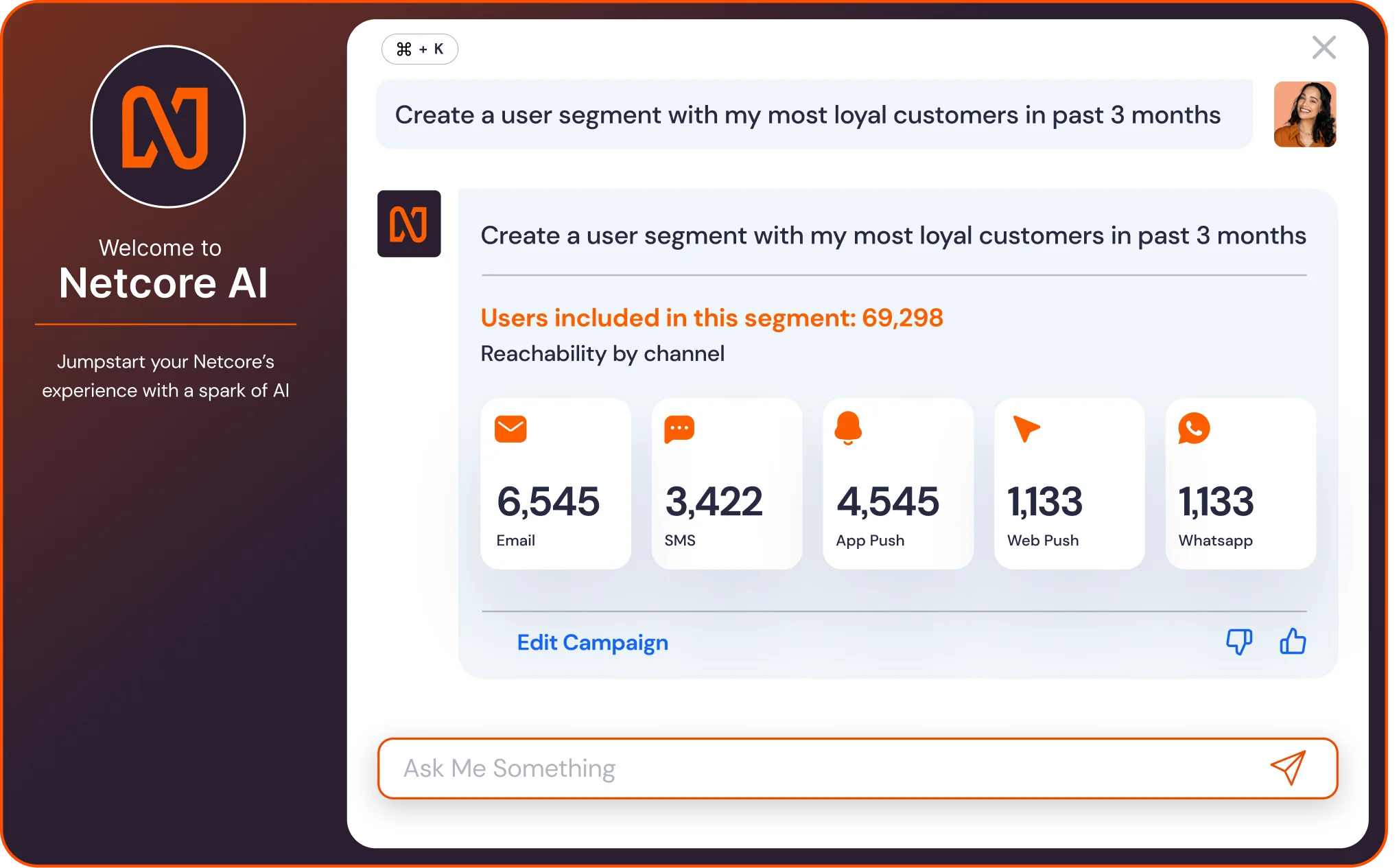
Manual list pulling is a relic of the past. In 2026, your strategy must center on agentic AI, systems that analyze behavioral signals in real-time and dynamically move customers in and out of hyper-specific segments without human oversight. This ensures you are always speaking to the customer’s immediate context, significantly boosting conversion rates.
2. Unify data across channels to eradicate martech sprawl
Martech sprawl destroys personalization. When your email platform doesn’t talk instantly to your SMS provider or your in-app messaging tool, you create disjointed experiences. The foundational strategy for 2026 is consolidating into a single platform that offers unified control. This single source of truth allows your AI to make accurate decisions based on the complete customer journey.
3. Shift attribution models from vanity metrics to hard revenue
Clicks and open rates do not impress your CFO. Your automation strategy must be grounded in accountability. You need systems that natively track conversions, customer lifetime value (LTV), and direct revenue impact. Every automated workflow must justify its existence through measurable financial outcomes.
4. Execute predictive lifecycle orchestration at scale
Stop reacting to what customers did yesterday. Start predicting what they will do tomorrow. By leveraging AI to identify churn risks before they happen or predict the exact moment a customer is ready for replenishment, you capture revenue that would otherwise be lost to competitors.
5. Automate full omnichannel experiences, not just siloed messaging
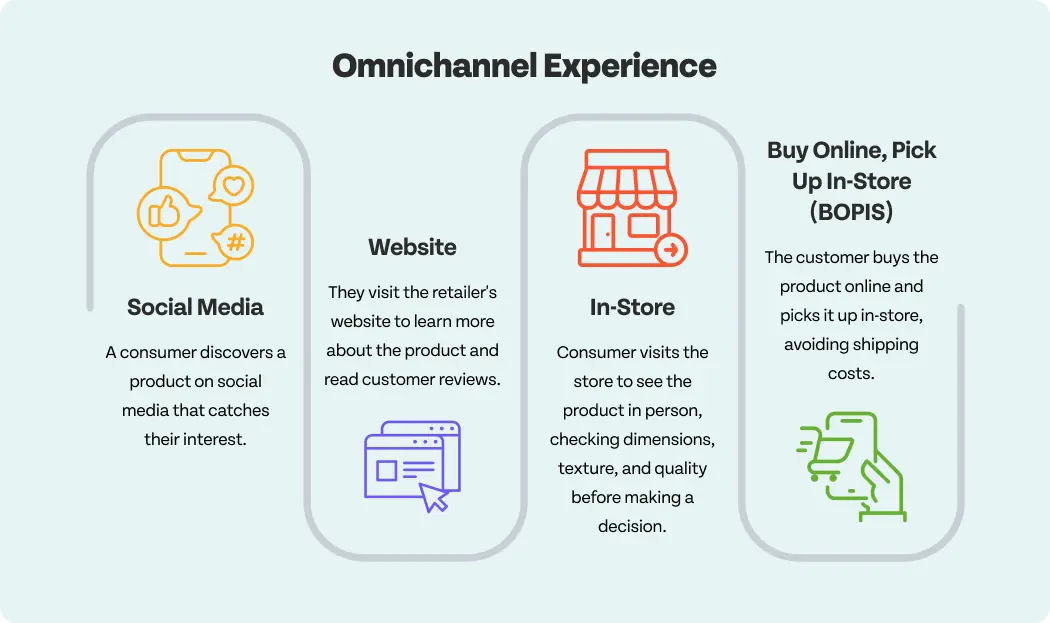
Omnichannel is table stakes today. What is omnichannel retail? Customers do not see channels; they see your brand. Your automation must seamlessly transition a conversation from a WhatsApp message to an in-app notification to an email, based entirely on where the customer is most likely to convert in that specific micro-moment. Check out this blog on omnichannel retail strategy.
Core Use Cases & Benefits
This is where the retail marketing automation platform actually delivers business impact. I will share some relevant use cases that retail marketing enables below:
1. Browse & Cart Abandonment Recovery
A user browses or adds to the cart but leaves without purchasing.
What Automation Does
- Detects drop-off instantly
- Evaluates intent and price sensitivity
- Triggers personalized recovery journeys
Benefit
- Recovers lost revenue
- Improves conversion rates significantly
2. AI-Powered Product Recommendations
Customers need help discovering relevant products, and with AI-powered product recommendations, you can personalize recommendations.
What Automation Does
- Analyzes browsing + purchase behavior
- Recommends products dynamically across channels
Benefit
- Increases average order value
- Improves customer experience
3. Lifecycle Engagement Automation
Customers drop off after the first purchase.
What Automation Does
- Creates stage-based journeys (onboarding → retention → loyalty)
- Personalizes communication at each stage
Benefit
- Increases lifetime value
- Boosts repeat purchases
4. Cross-Sell & Upsell Workflows
Customers are ready to buy, but can spend more.
What Automation Does
- Identifies complementary products
- Recommends bundles or upgrades
Benefit
- Increases revenue per customer
- Drives higher basket size
5. Churn Prediction & Win-Back
Customers silently disengage.
What Automation Does
- Detects early churn signals
- Triggers proactive re-engagement
Benefit
- Reduces churn
- Improves retention
6. Omnichannel Journey Orchestration
Customers switch between channels constantly.
What Automation Does
- Unifies communication across email, WhatsApp, SMS, push
- Switches channels dynamically
Benefit
- Higher engagement
- Better customer experience
7. Real-Time Personalization
Generic campaigns fail to engage users.
What Automation Does
- Personalizes every interaction in real time
- Adapts journeys dynamically
Benefit
- Higher conversions
- Stronger brand loyalty
Top Platforms & Tools for Retail Marketing Automation
Choosing the right platform is critical to executing these strategies effectively.
1. Netcore Cloud
- Strong in omnichannel engagement (Email, WhatsApp, Push, SMS & RCS)
- AI-driven personalization and recommendation engine
- Built for high-scale retail use cases
Best for: Retention, engagement, and lifecycle marketing
2. Adobe Experience Cloud
- Advanced personalization and analytics
- Strong integration with content and creative tools
- Enterprise-grade orchestration
Best for: Large enterprises with complex stacks
3. Salesforce Marketing Cloud/Agentforce
- Robust customer journey orchestration
- Deep CRM integration
- Scalable enterprise capabilities
Best for: Salesforce CRM-driven marketing ecosystems
4. Klaviyo
- Strong in email + SMS automation
- Easy to use for ecommerce brands
- Good segmentation and analytics
Best for: Mid-market ecommerce brands
5. Braze
- Real-time engagement capabilities
- Strong mobile and push notification features
- Flexible API-first architecture
Best for: Mobile-first and app-driven brands
6. MoEngage
- Omnichannel engagement
- AI-driven insights and segmentation
- Strong presence in emerging markets
Best for: Cross-channel engagement at scale
Final Take
Retail marketing automation in 2026 is no longer about doing more with less, it’s about driving more with intelligence.
The brands pulling ahead aren’t the ones running more campaigns. They’re the ones building systems that combine AI-driven personalization, lifecycle automation, and real-time merchandising to influence every step of the customer journey. The impact is clear: higher conversions, stronger AOV, better repeat purchases, and measurable improvements in channel ROI.
Platforms like Netcore are enabling this transition, helping retailers move from fragmented efforts to connected, autonomous systems that learn, adapt, and optimize revenue in real time. Get in touch with us.