




TL;DR
- Omnichannel marketing automation drives high-ROI workflows through real-time, data-triggered cross-channel journeys
- E-commerce, fintech, and retail examples show how personalization boosts conversions and reduces drop-offs
- Success depends on unified customer data, a CDP, and real-time identity resolution
- Behavioral triggers + contextual messaging enable seamless, high-impact customer experiences
- True impact is measured by moving beyond channel metrics to revenue-driven attribution
So instead of repeating the usual narrative about marketing operations being paralyzed by disconnected platform silos, I want to focus on something more useful: how to actually get omnichannel marketing automation right.
After studying the common mistakes brands make, and working closely with clients at Netcore, we’ve seen that true omnichannel marketing isn’t about adding more messaging tools. It’s about building a unified data layer that can turn behavioral signals into real, revenue-driving actions.
In this article, I’ll share what worked, what didn’t, and what ultimately led to high-ROI omnichannel marketing automation workflows.
What are 12 High-ROI Examples of Omnichannel Marketing Automation?
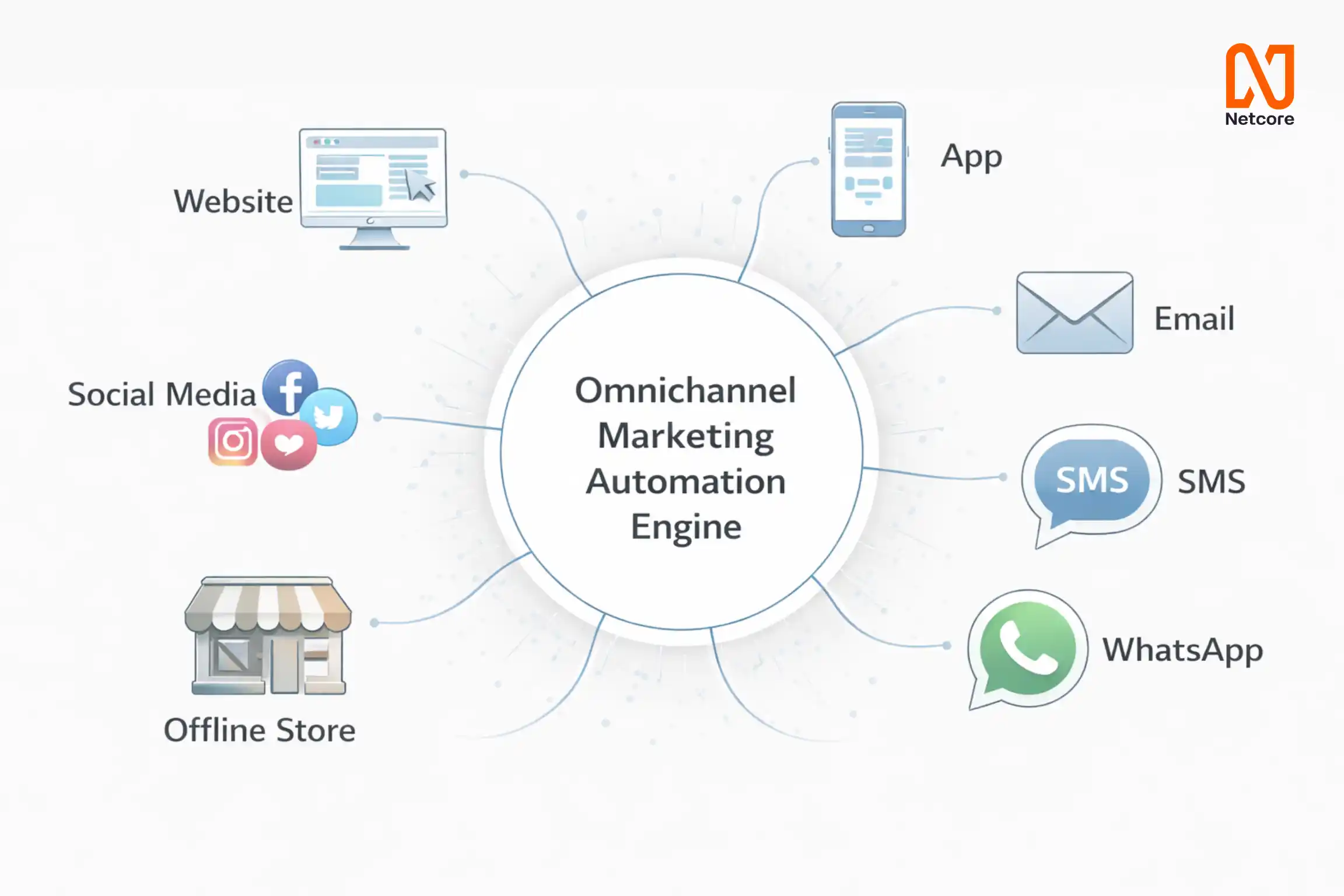
High-ROI omnichannel marketing automation orchestrates real-time, cross-channel experiences triggered by behavioral data, not batch-and-blast schedules. Examples include multi-step ecommerce cart recovery, frictionless fintech onboarding, and online-to-offline retail loyalty syncs, all powered by a unified Customer Data Platform (CDP) that resolves identity and measures direct revenue impact.
To drive measurable business outcomes, we architect workflows based on real-time behavioral data rather than static segmentation. Here are 12 omnichannel automation blueprints across three core industries, detailing the exact data triggers and channel handoffs required.
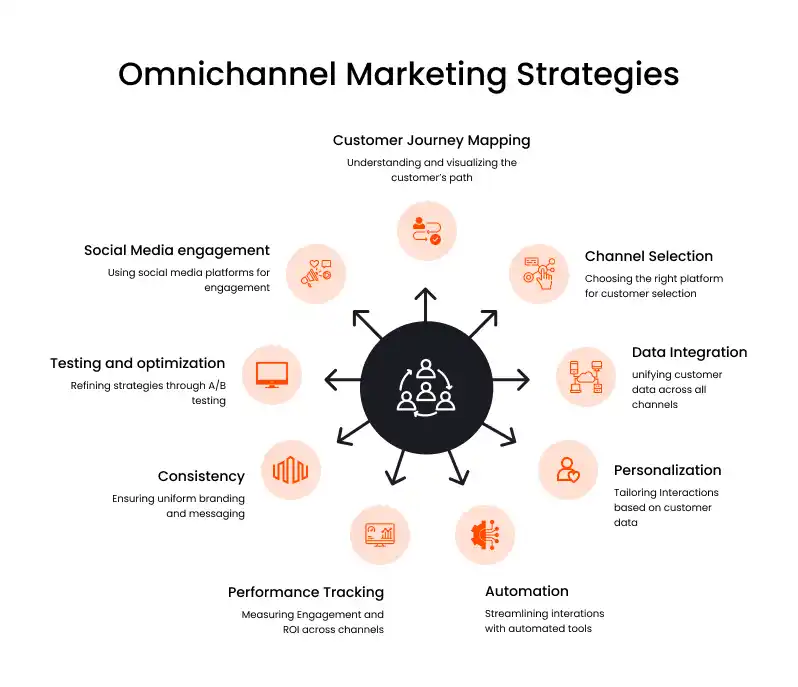
Omnichannel Marketing Automation Strategies
Ecommerce
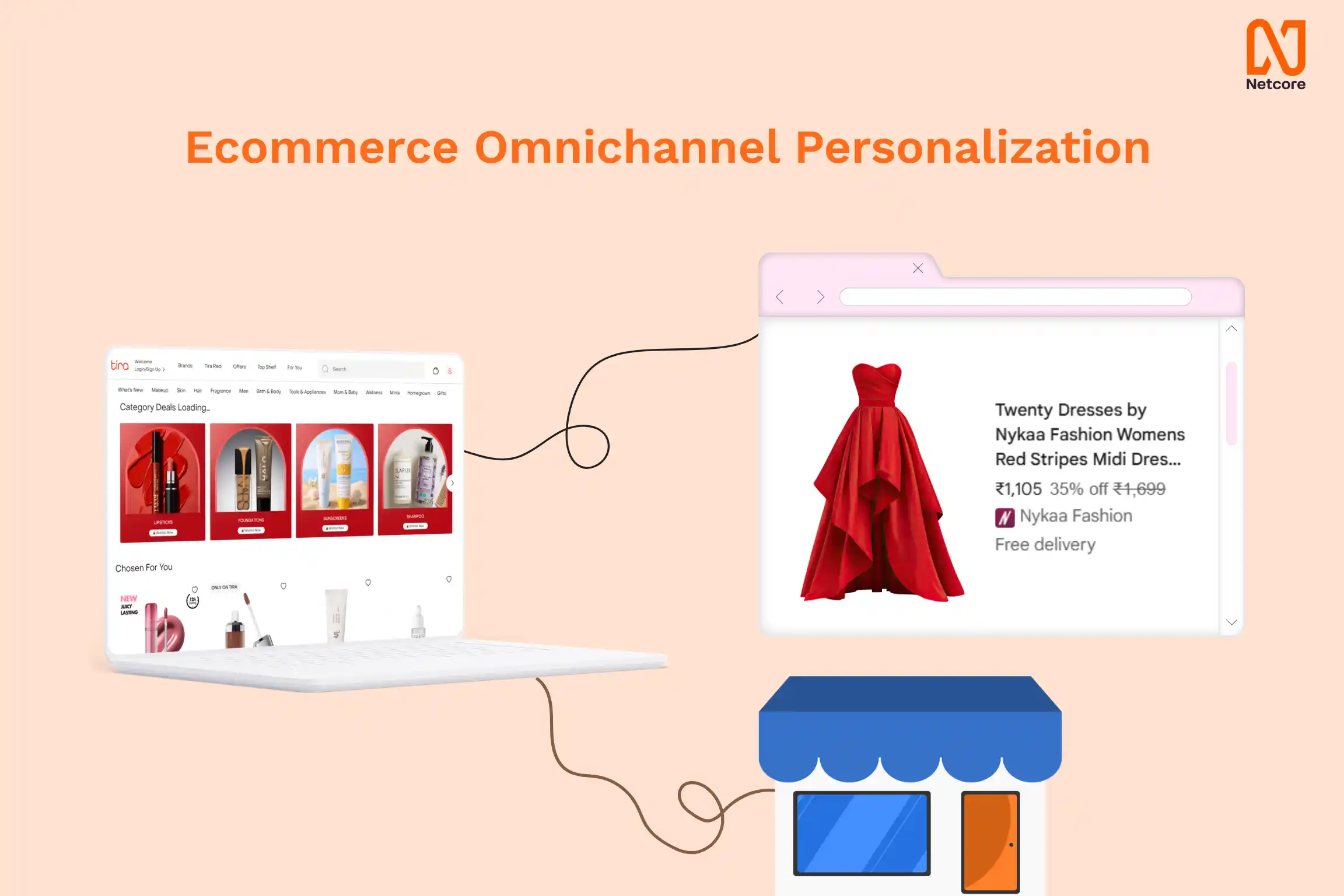
For ecommerce, omnichannel isn’t optional; it’s driven by how customers actually shop. Shoppers discover products on social, compare on marketplaces, purchase on apps or websites, and expect flexible fulfillment like fast delivery, BOPIS, or easy returns. This creates a need for unified inventory, real-time data, and consistent pricing across channels. Personalization must adapt instantly to behavior, while messaging stays relevant across touchpoints. Ultimately, ecommerce brands need omnichannel marketing automation to reduce drop-offs, increase conversions, and deliver a seamless, high-convenience buying experience.
The data layer must ingest real-time browsing behavior, cart additions, and historical purchase data to suppress generic promotions when a user enters a high-intent recovery flow.
- Multi-Channel Cart Abandonment
A user abandons a $150 cart. The CDP logs the event and triggers an email at 1 hour; if left unread, the system autonomously triggers a rich push notification at 4 hours. - Predictive Replenishment
The platform’s AI detects that a specific customer’s consumption cycle is 30 days. It triggers a predictive email at day 25, followed by a WhatsApp nudge at day 28 to secure the repeat purchase. - VIP Tier Upgrade Alert
A user crosses the $500 lifetime spend threshold. The system triggers an in-app celebration modal on their next active session and immediately sends an exclusive SMS offer. - Browse Abandonment to Retargeting
A user views a specific SKU three times without purchasing. The CDP instantly syncs this intent data to the ad network, triggering a dynamic retargeting ad while suppressing standard promotional emails.
Fintech
For fintech, omnichannel marketing automation solutions are driven by trust, speed, and regulatory precision. Customers move between apps, web, support, and physical touchpoints expecting seamless, secure experiences at every step. This creates a need for unified customer data, real-time decisioning, and consistent communication across channels. Personalization must be contextual, based on financial behavior and lifecycle stage, while remaining compliant. Whether onboarding, transactions, or support, fintech brands need omnichannel to reduce friction, build trust, and deliver timely, relevant financial experiences.
Identity resolution must occur across anonymous web sessions and authenticated app sessions in milliseconds to ensure security and relevance.
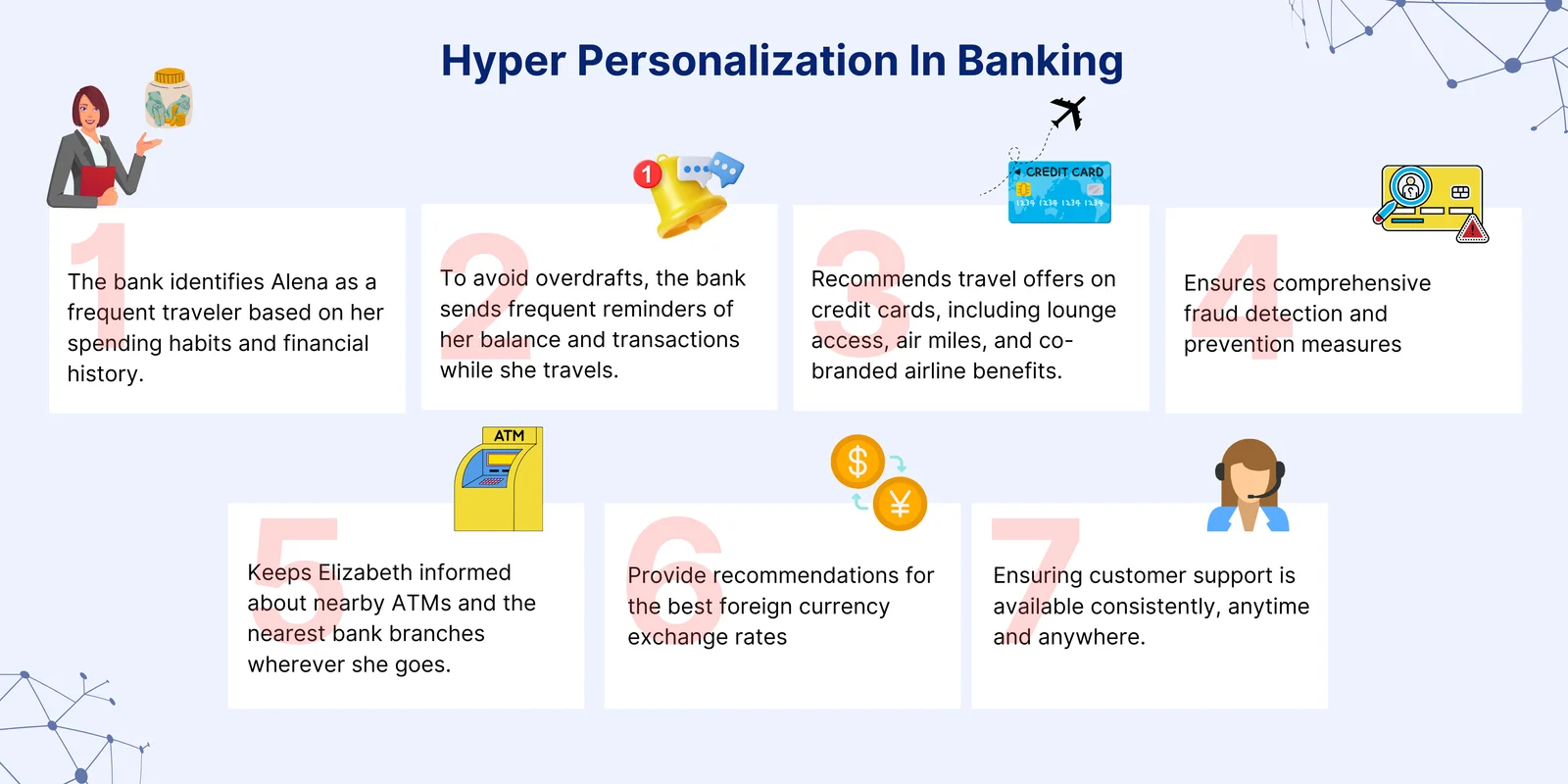
Source: QServices
- KYC Drop-off Nudge: A user halts identity verification mid-process. The system triggers an in-app contextual tooltip upon their return, and if inactive for 24 hours, sends an urgent SMS with a direct secure link.
- First-Funded Account Milestone: A user’s first deposit clears the banking system. We trigger a real-time push notification confirming the funds, immediately followed by an educational email detailing the first investment options.
- Feature Adoption Workflow: A user has not activated their virtual card within 14 days of account creation. This triggers an in-app message highlighting security benefits, backed by an email tutorial if the in-app message is dismissed.
- Churn Prevention: App login frequency drops 50% week-over-week. The CDP triggers an automated survey via email to diagnose friction, paired with a targeted push notification offering a personalized retention incentive.
Retail
For retail, omnichannel is shaped by customers who fluidly switch between online and offline experiences. Shoppers browse online, check in-store availability, and expect options like BOPIS or easy returns. This drives the need for unified inventory, consistent pricing, and real-time visibility across channels. Personalization must reflect browsing and purchase behavior, while in-store and digital experiences stay connected. Ultimately, retailers need omnichannel to reduce friction, increase conversions, and deliver a cohesive, convenient shopping journey across every touchpoint.
Point-of-Sale (POS) data must sync with the digital CDP in real-time to bridge the physical and digital divide seamlessly.
- Geofenced Store Visit: A known loyalty member walks within one mile of a physical store. The app triggers a location-based push notification featuring a personalized barcode coupon based on their past digital browsing history.
- BOPIS (Buy Online, Pick Up In-Store) Orchestration: An in-store order is marked ready for pickup. The system fires an SMS alert with parking instructions and triggers an in-app map the moment the user arrives on site.
- Post-In-Store Purchase Review: The POS system logs a physical purchase to the CDP. This triggers an email review request 24 hours later, instantly rewarding the user with loyalty points via a push notification upon completion.
- Out-of-Stock Waitlist to Purchase: A highly anticipated item restocks in the warehouse. The system triggers an immediate WhatsApp message to waitlisted users, following up with an urgency-driven email if the item remains unpurchased after 12 hours.
What are the technical prerequisites for seamless cross-channel execution?
Industry benchmarks confirm that consumers expect a seamless cross-channel experience, but executing this requires far more than just connecting platform APIs. We firmly believe the core engine of true omnichannel marketing automation is a unified Customer Data Platform (CDP). Without real-time identity resolution, your marketing channels operate blindly and independently.
Siloed marketing tools cause severe operational friction, inevitably leading to fragmented customer journeys and wasted ad spend. To execute the advanced workflows detailed above, your data layer must ingest behavioral triggers instantly. Our systems resolve user identities across anonymous web sessions, app logins, and offline purchases in milliseconds, ensuring every channel acts on a single source of truth.
AI-driven decisioning relies entirely on this unified data foundation. When the CDP knows a user opened an email but didn’t click, it can autonomously calculate the next best action, triggering an SMS instead of sending a redundant follow-up email.
How do we measure omnichannel ROI beyond channel-specific metrics?
think it’s time we stop measuring just open rates and start measuring direct revenue impact. We architect systems through an omnichannel marketing automation platform that holds marketing operations strictly accountable for business outcomes. You must track actionable metrics like conversion lift, customer lifetime value (CLV), and measurable retention improvements.
Omnichannel attribution requires tracking the entire customer journey, mapping every isolated touchpoint back to a specific purchase. If an educational email prompts an SMS reminder, which ultimately drives an in-app purchase, the CDP must accurately attribute the revenue across that specific sequence. This is exactly how we prove that intelligent, data-driven orchestration with an omnichannel marketing platform delivers concrete financial results.
How Netcore Helps Build and Automate Omnichannel Campaigns

Most platforms help you send messages. Netcore helps you decide what to send, when to send it, and why it matters.
At the core is a unified customer data layer bringing together behavior across app, web, email, and offline touchpoints. No more guesswork or making decisions on half-baked data. Every click, view, and transaction feeds into a single, evolving customer profile.
From there, automation stops being rule-based and starts becoming adaptive.
Instead of static workflows, Netcore enables event-triggered journeys that respond in real time. A user browses but doesn’t purchase, the system doesn’t just send a reminder; it personalizes the message, channel, and timing based on past behavior and predicted intent.
This is where most brands lag.
They automate journeys. Netcore optimizes them continuously.
AI-led decisioning powers channel orchestration—whether it’s email, push, WhatsApp, SMS, or web—ensuring each message lands where it’s most likely to convert. The result: fewer messages, higher impact.
And it doesn’t stop at engagement.
Built-in analytics and attribution tie every interaction back to revenue—so teams don’t just launch campaigns, they understand what actually drives ROI. Marketing, product, and growth teams operate on the same data, eliminating guesswork and silos.
Because in the end, omnichannel success isn’t about being present on every channel as what works for you might not for someone else. It’s about making every interaction feel timely, relevant, and connected to business outcomes.
Final Take
Most brands don’t struggle because they lack ideas; they struggle because they don’t know what good actually looks like.
The difference becomes clear when you see it in action: journeys that adapt in real time, messaging that feels personal (not programmed), and systems that connect every signal back to revenue.
Hopefully, this gave you a clearer picture, not just of what omnichannel marketing automation is, but how the best versions of it actually work.
If it helped you rethink your own approach, question your current setup, or spot gaps you didn’t see before, then it’s already doing its job.