




⬆️Customer acquisition is getting more expensive every year. Rising ad costs, increasing competition, and platform dependency have pushed CAC to unsustainable levels for many brands. Acquiring a new customer can cost 5–7x more than retaining an existing one, yet most budgets still lean heavily toward acquisition.
At the same time, most e-commerce and retail revenue is already concentrated within a small group of returning customers. In fact, repeat buyers can contribute up to 41% of revenue from just 8% of shoppers.
The brands winning today aren’t just focused on bringing in more customers.
They’re focused on building stronger relationships with the ones they already have.
By creating meaningful, personalized experiences that keep customers engaged and coming back.Here are 9 high-impact strategies leading brands use to increase repeat purchases and build lasting customer loyalty.
1. Deliver 1:1 Product Recommendations, Everywhere
Generic remarketing doesn’t drive repeat purchases. Relevance does.
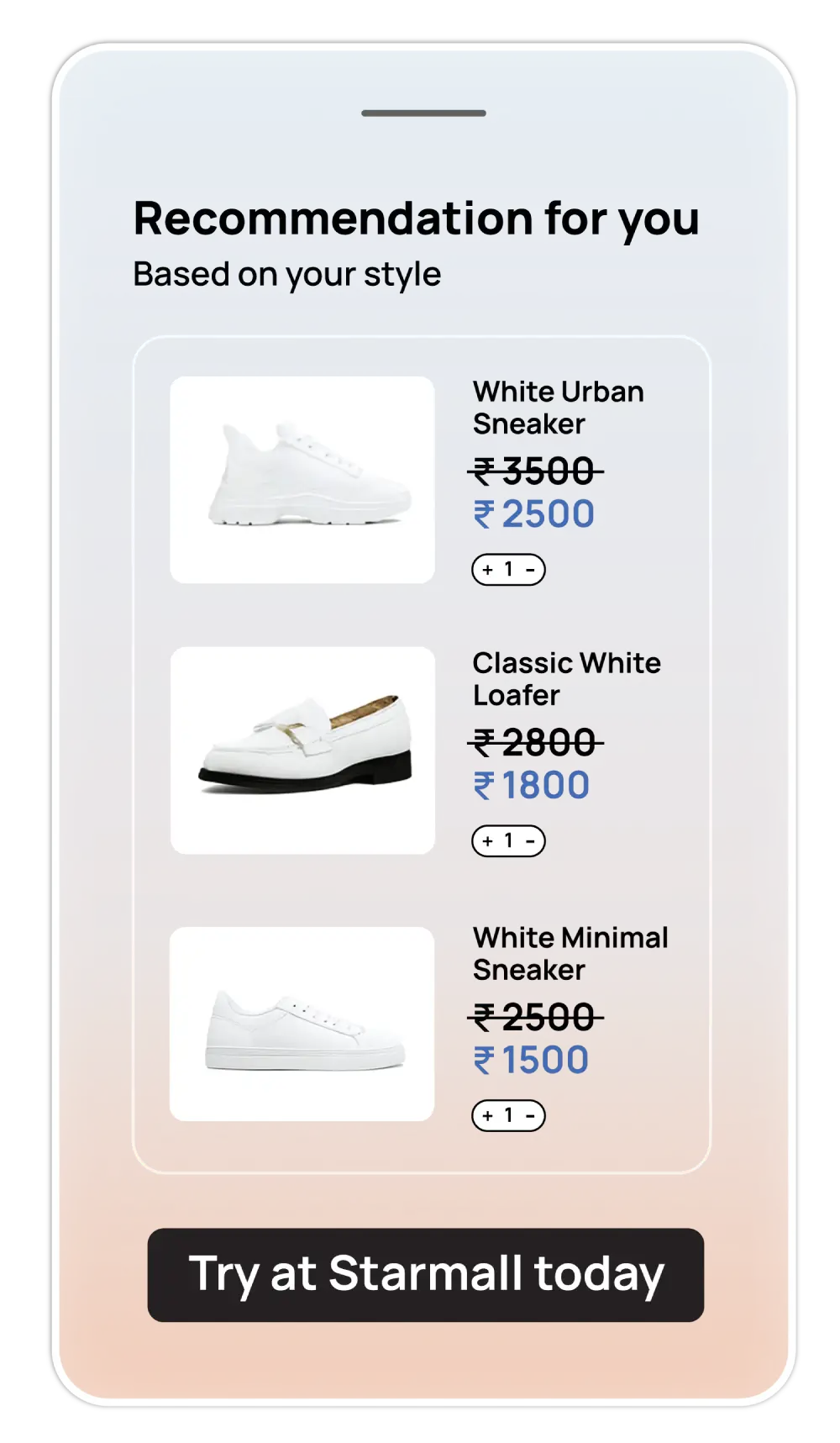
The retailers seeing higher repeat rates aren’t sending the same “You may also like” email to everyone. They’re delivering truly personalized product recommendations across every touchpoint – WhatsApp, email, sms, push, web, and app, based on:
- What the customer has purchased
- What they’ve browsed
- The brands and categories they prefer
- Real-time intent signals (price drops, wishlist adds, back-in-stock views)
When recommendations adapt dynamically to real-time behavior, every interaction feels timely and helpful, not promotional.
What success looks like:
A modern men’s apparel brand, Andamen, achieved a 30% increase in revenue by incorporating personalized, 1:1 product recommendations into its campaigns.
2. Predict Who Will Buy Again, and When
Not every past buyer is equally likely to return. And timing matters more than most brands realize.
Leading retailers use AI-driven propensity modelling to identify customers most likely to make a repeat purchase.
Instead of blasting the entire database, they prioritize the cohorts that matter most.
Considering repeat customers can contribute up to 41% of revenue from just 8% of shoppers, targeting intelligently isn’t optional — it’s strategic.
What success looks like:
A leading global footwear brand, Crocs, saw a 13X ROI by using AI-driven affinity and propensity models to predict purchase intent. This ensured every message reached the right customer, with the right product, at the right time.
3. Connect Store and Digital Journeys
Many brands today serve customers across online and offline channels, yet the experience between them remains fragmented.
Too often, in-store purchases live in one system while digital engagement lives in another.
Retailers increasing repeat rates unify offline and online data so that:
- In-store buyers receive relevant digital follow-ups
- Online experiences reflect past store purchases
- Recommendations feel continuous, not fragmented
When customers move between channels seamlessly, repeat purchases feel natural.
What success looks like:
A leading jewellery retailer, Senco Gold, achieved a 2X increase in conversions and drove over 5,000 store visits by running personalized, intent-led journeys based on real-time buying behaviour.
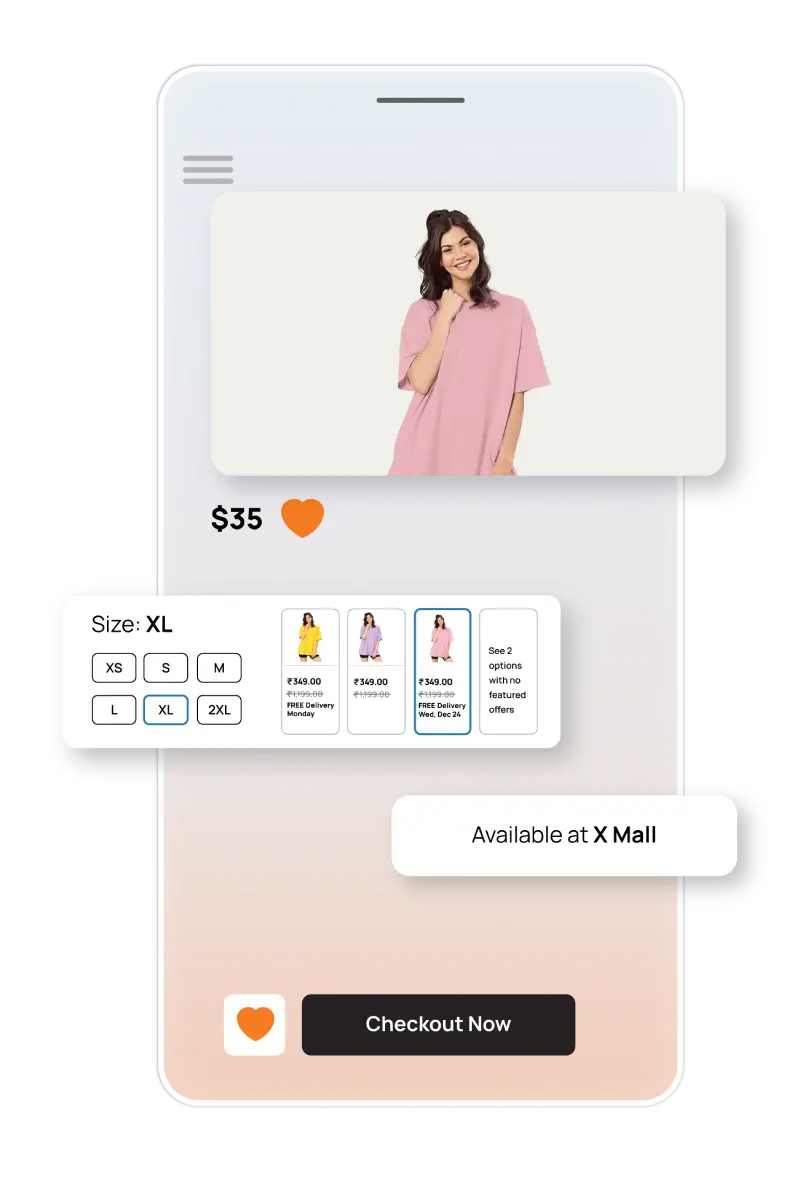
“Available at your nearest store” nudges
4. Turn Replenishment Into a Seamless Habit
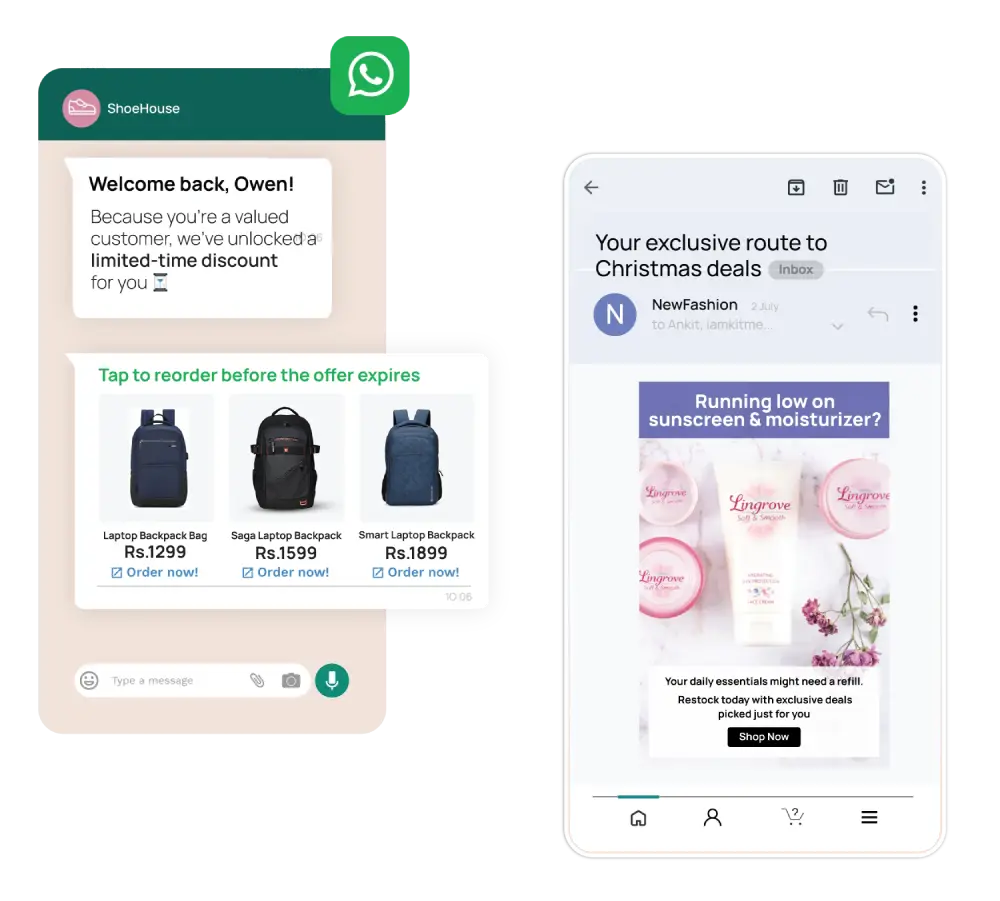
In categories like beauty, grocery, nutrition, pet care, and essentials, repeat purchases are often predictable.
The key question is: Are you reaching customers before they run out?
Retailers leading in high-frequency categories analyze purchase intervals and behavioral signals to anticipate when customers are likely to need a refill, and nudge them at the right moment.
Not too early. Not too late.
What this unlocks: Consistent recurring revenue and stronger retention in consumable categories.
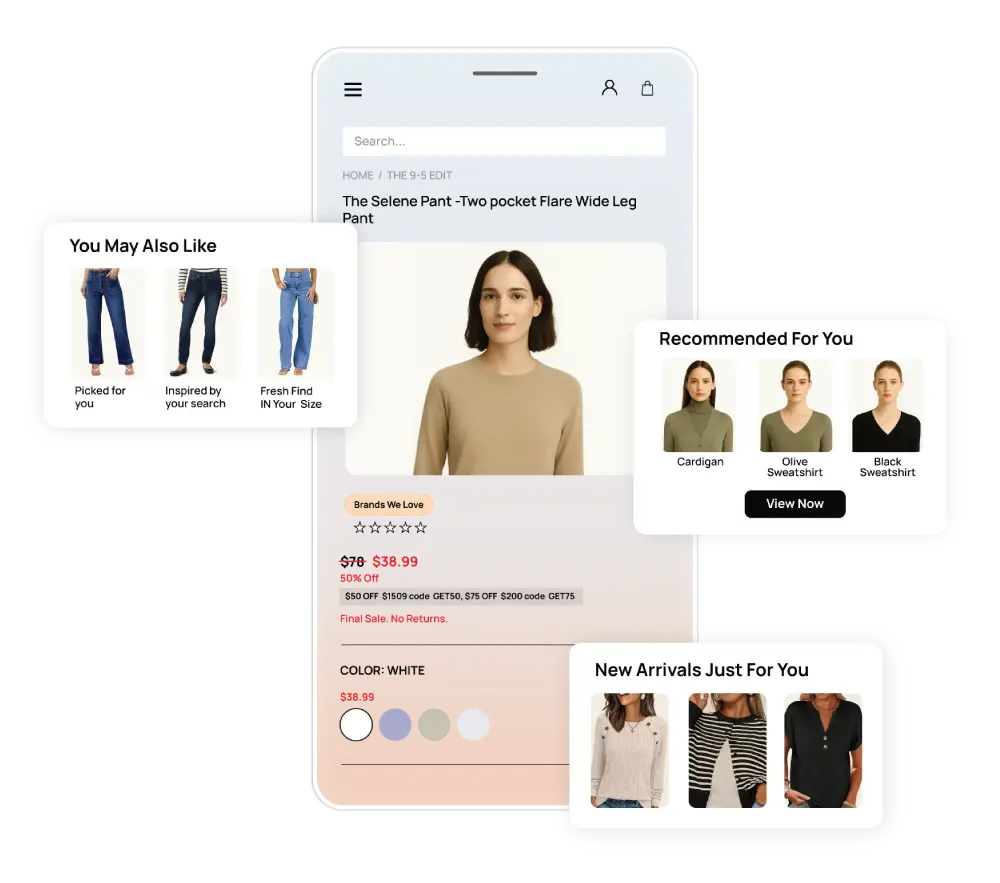
5. Make “Complete the Set” Effortless
Many repeat purchases don’t require persuasion. They require visibility.
Smart retailers proactively surface: Frequently bought together items, Routine-based add-ons, and Style or bundle complements
And they don’t limit this to one channel. These suggestions appear: In post-purchase emails or WhatsApp, on PDP and cart pages, at checkout, and within conversational assistants
When customers see relevant complements at the right moment, cross-sell feels helpful, not pushy.
What this unlocks: 10–20% incremental repeat revenue without aggressive discounting.
6. Discover High-Value Micro-Segments Hiding in Your Data
High-performing retail teams go beyond broad segments and uncover behavioral clusters like:
- Customers who tend to reorder every 45 days
- Shoppers who engage more on WhatsApp than email
- Buyers who respond strongly to influencer-led content
- Price-sensitive repeaters vs premium loyalists
These patterns aren’t obvious in static, rule-based segmentation. They emerge when you analyze real engagement, purchase timing, and channel preferences together.
And when activated correctly, even small clusters can drive outsized repeat revenue.
What this unlocks: The ability to speak to customers based on how they actually behave, not just who they are.
7. Drive the Second Purchase Intentionally
The second purchase doesn’t just happen; it needs guidance.
After a customer’s first order, leading retailers activate a focused follow-up strategy designed to encourage the next purchase within the right window.
This includes:
- Recommending logical next-step or complementary products
- Sharing helpful usage, styling, or routine-based suggestions
- Highlighting relevant back-in-stock or price updates
- Introducing targeted incentives only where needed
The goal isn’t to push another sale immediately. It’s to create a clear, relevant reason to return.
What this unlocks: A faster transition from first-time buyer to repeat customer — strengthening retention early in the lifecycle.
8. Win Customers Back Before They Churn
Churn rarely happens overnight. It follows patterns.
Retail marketers who treat churn as predictable, not random, can intervene earlier. By identifying customers entering a lapse window, brands can tailor:
- The right product to promote
- The right level of incentive
- The right channel for re-engagement
Reducing churn by just 5% can increase profits by 25–95%. The opportunity is significant if you act in time.
What this unlocks: Smarter winback campaigns with better margins.
9. Make Every Retention Campaign Smarter Than the Last
Many brands run retention campaigns in isolation, launch, measure, and move on.
High-performing teams take a different approach. They use AI to understand every campaign, they ask:
- Which cohort performed best?
- Which channel drove higher repeat ROI?
- Which collections had high affinity but low visibility?
Continuous optimization turns retention marketing into a learning engine, not a guessing game.
What this unlocks: Compounding improvements in repeat conversion and customer lifetime value.
Why Retail Brands Choose Netcore
Retail brands like Crocs, Adidas, Fabindia, and Senco Gold partner with Netcore to strengthen customer relationships and increase repeat purchases at scale.
By bringing together customer intelligence, real-time behavioral signals, offline and online data, and AI-driven personalization, Netcore helps retailers show the right product to the right shopper at the right moment, across every channel.
The result? More relevant engagement, stronger loyalty, and sustainable growth driven by repeat customers, not just new acquisitions.
Ready to Turn One-Time Buyers into Loyal Customers?
In today’s high-CAC environment, growth doesn’t come from chasing more customers. It comes from building stronger connections with the ones you already have.
With the right mix of intelligence, timing, and personalization, repeat purchases become a natural outcome of great customer experiences.
Book a demo with Netcore and see how you can increase repeat purchases, improve retention, and grow customer lifetime value.