




There was a time when “personalization” meant dropping a first name into an email subject line. Marketers called it revolutionary. Customers called it… fine, I guess.
That era is over — and honestly, it’s embarrassing it lasted this long.
Your website is now the most important surface you own. It’s where acquisition happens, where decisions are made, and where revenue is either won or lost in a matter of seconds. Yet most brands still treat it like a static billboard — the same hero banner, the same discount strip, the same navigation — for every single visitor who walks through the digital door.
A first-time visitor from a Google ad. A loyal customer returning for the third time this week. A high-intent user who abandoned their cart yesterday. They all see the same page.
That’s not personalization. That’s just a website.
We built Web Personalization to change that.
The Gap Between How Customers Browse and How Websites Respond
Customer behavior is anything but linear. Visitors browse across devices, compare options, abandon carts, return later, hesitate on PDPs, switch categories, and revisit specific SKUs — sometimes all in a single session.
Their intent evolves constantly. But most websites respond with static promotions, generic banners, and one-size-fits-all messaging that was decided in a planning meeting three months ago.
The result? Missed moments — and missed revenue.
Web Personalization closes that gap. It’s a real-time experience layer that transforms your website from a fixed storefront into a responsive, intent-aware conversion engine. One that adapts as fast as your customer thinks.
Built for Marketers. Not Engineering Sprints.
Here’s what most personalization tools get wrong: they’re built for engineers. Every experience change requires a ticket, a sprint, a deployment cycle, and a prayer that it goes live before the campaign ends.
Web Personalization is different by design. It’s a marketer-controlled layer that sits on top of your site — letting your team build, launch, and iterate on experiences without touching a single line of code.
That means:
- Drag-and-drop campaign creation with instant visual preview
- Audience targeting built from behavioral signals and segments
- Priority controls so the right experience always wins
- Click tracking baked into every element
- A rich template library so you’re never starting from zero
Campaigns go live in minutes. Not weeks. Marketers execute. Engineering stays focused on what they’re actually there to do.
The Features — and Why They Actually Matter
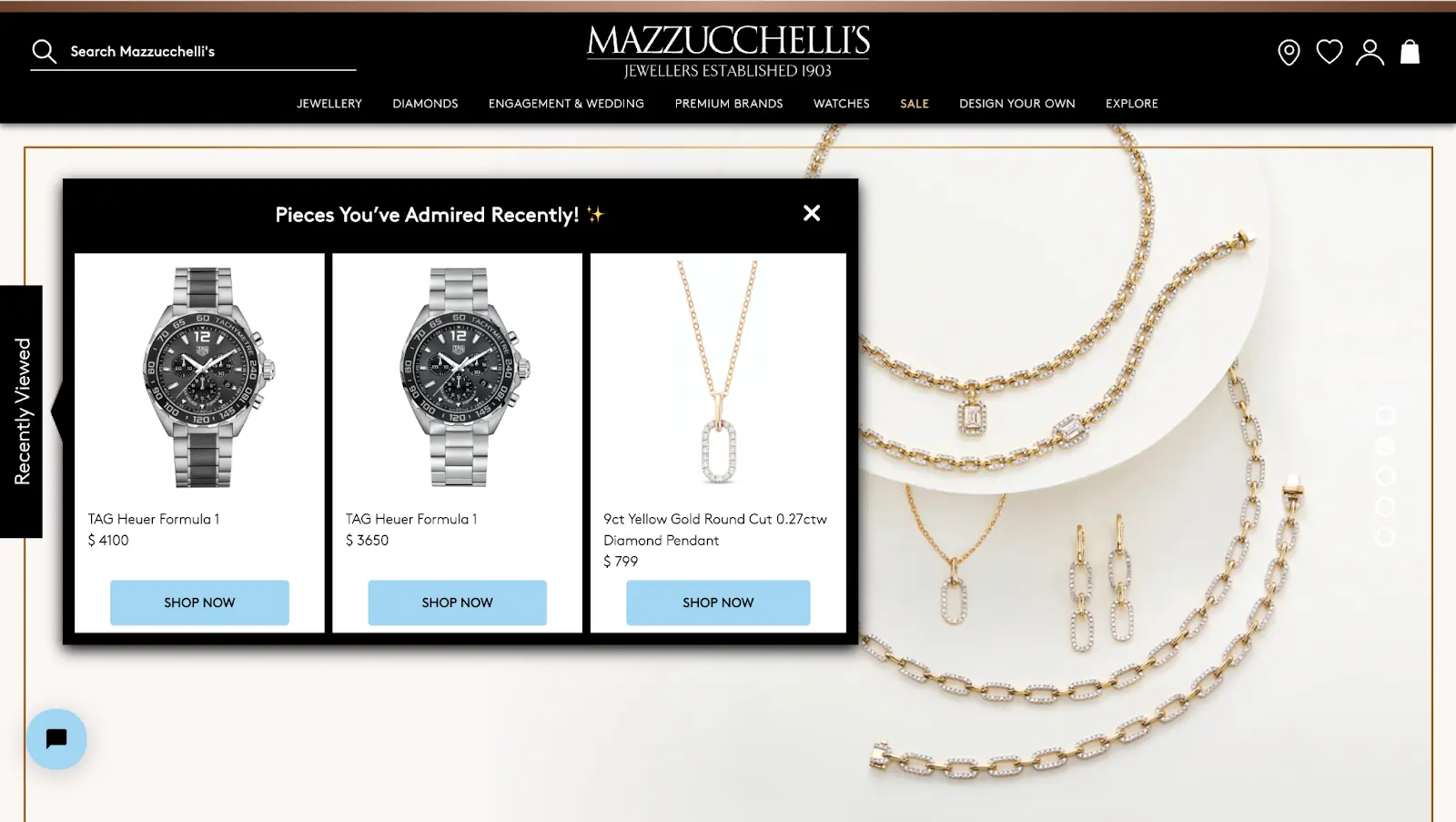
Recently Viewed: Turn Browse History Into a Conversion Lever
Large catalogs are a double-edged sword. More products mean more options — but also more friction, more re-searching, and more drop-off.
The Recently Viewed Drawer automatically surfaces the products a user has already interacted with, making it effortless to compare, reconsider, and return to high-intent SKUs. It shortens the decision cycle and dramatically reduces the “I’ll come back later” effect — which, in most cases, means they never come back at all.
Hello Bar: One Banner. Multiple High-Impact Moments.
Most announcement banners are a single static message that marketers argue over for two weeks, then leave untouched for a quarter.
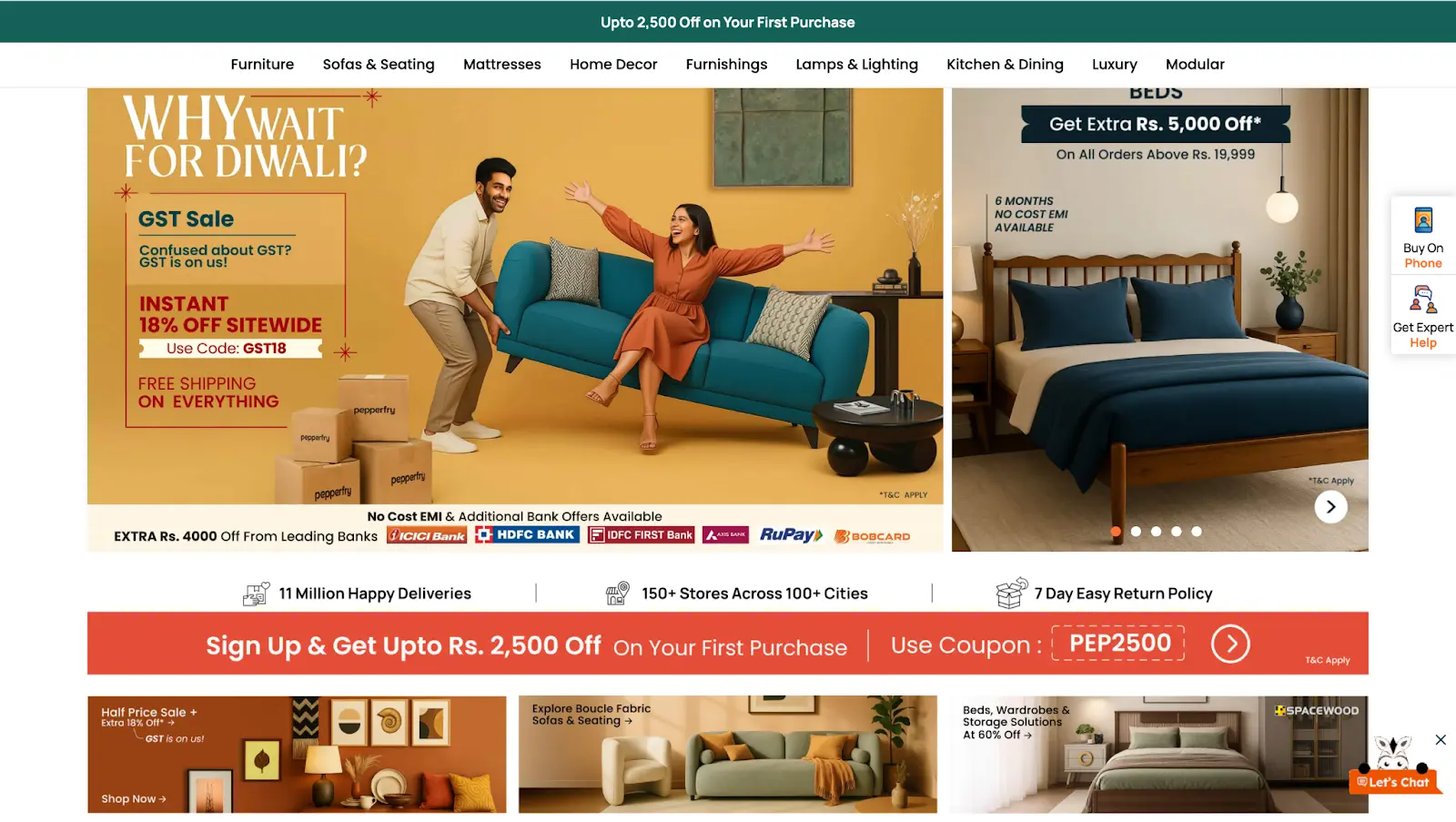
The Hello Bar supports multiple rotating promotions across mobile and desktop — surfacing discount codes, shipping incentives, new launches, or a direct path to support, all from a single responsive component. It’s subtle enough not to disrupt the experience, powerful enough to drive action, and measurable enough to optimize.
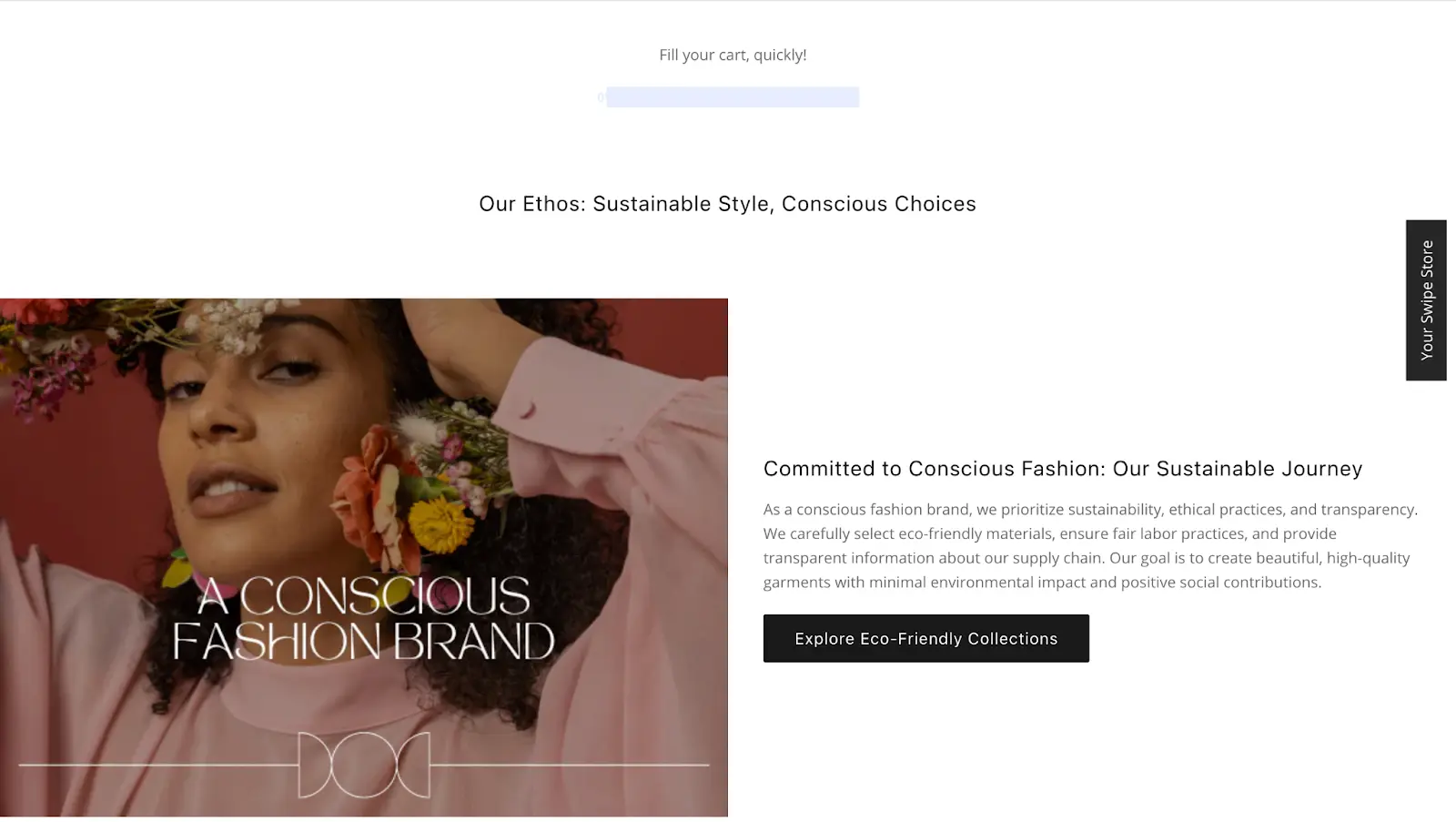
Progress Bar: Make the Next Step Irresistible
Visible progress is one of the most reliable psychological drivers in commerce. When someone can see how close they are to a reward — free shipping, a discount, a free gift — they want to close that gap.
The Progress Bar shows users exactly how close they are to unlocking a benefit, dynamically updating as they add items. It increases AOV, reduces abandonment, and nudges passive browsers into decisive action. It gamifies conversion without ever feeling like a gimmick.
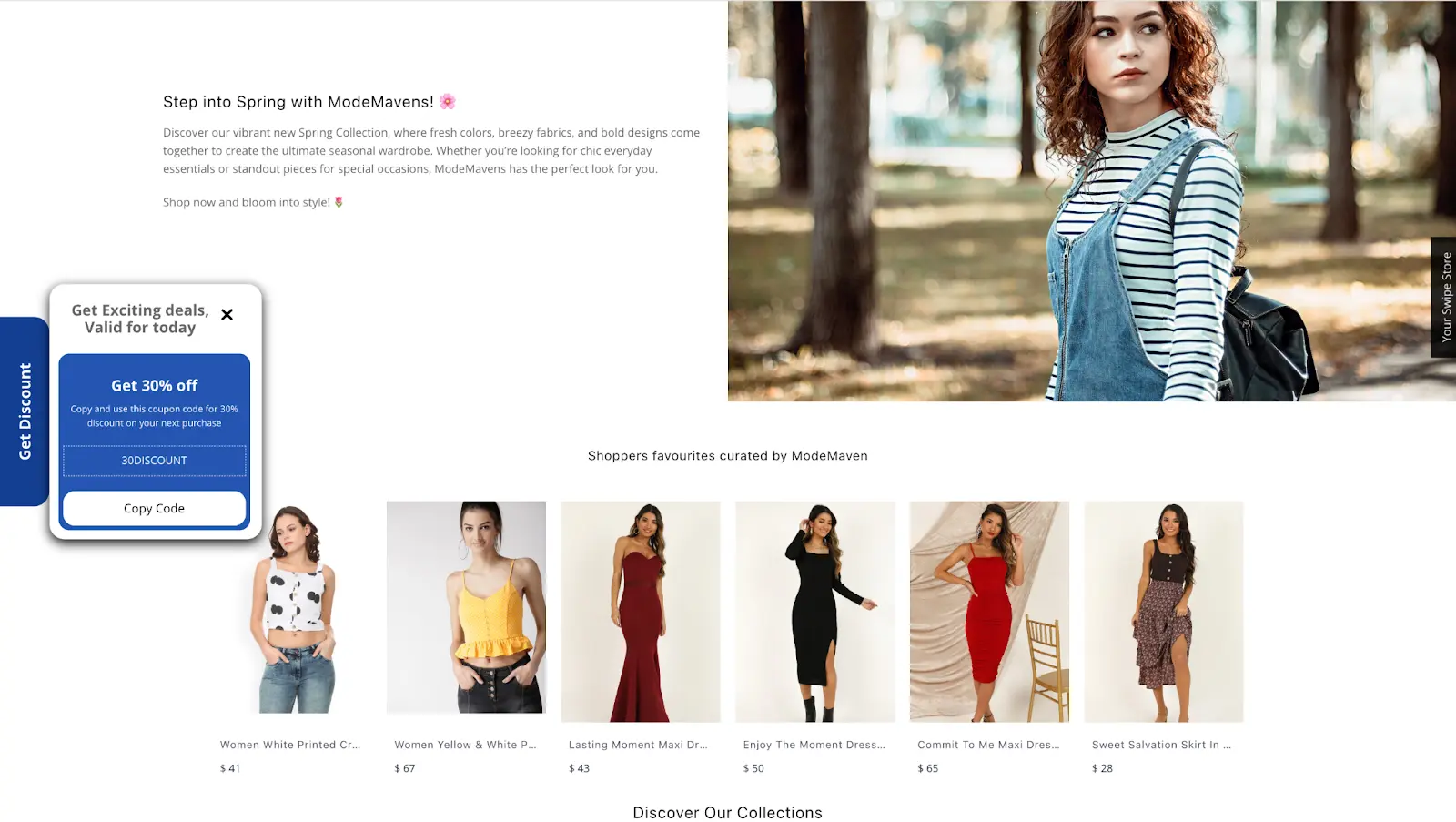
Coupon Drawers: Promotions That Feel Modern, Not Intrusive
Discount banners that hijack the entire screen are annoying. Pop-ups that fire on page load are worse.
The Coupon Drawer uses a compact trigger and expandable interface to deliver contextual offers at the right moment — without disrupting the page. Whether it’s a checkout reward, a homepage announcement, or a shipping credit unlock, the offer feels relevant and earned rather than desperate and generic.
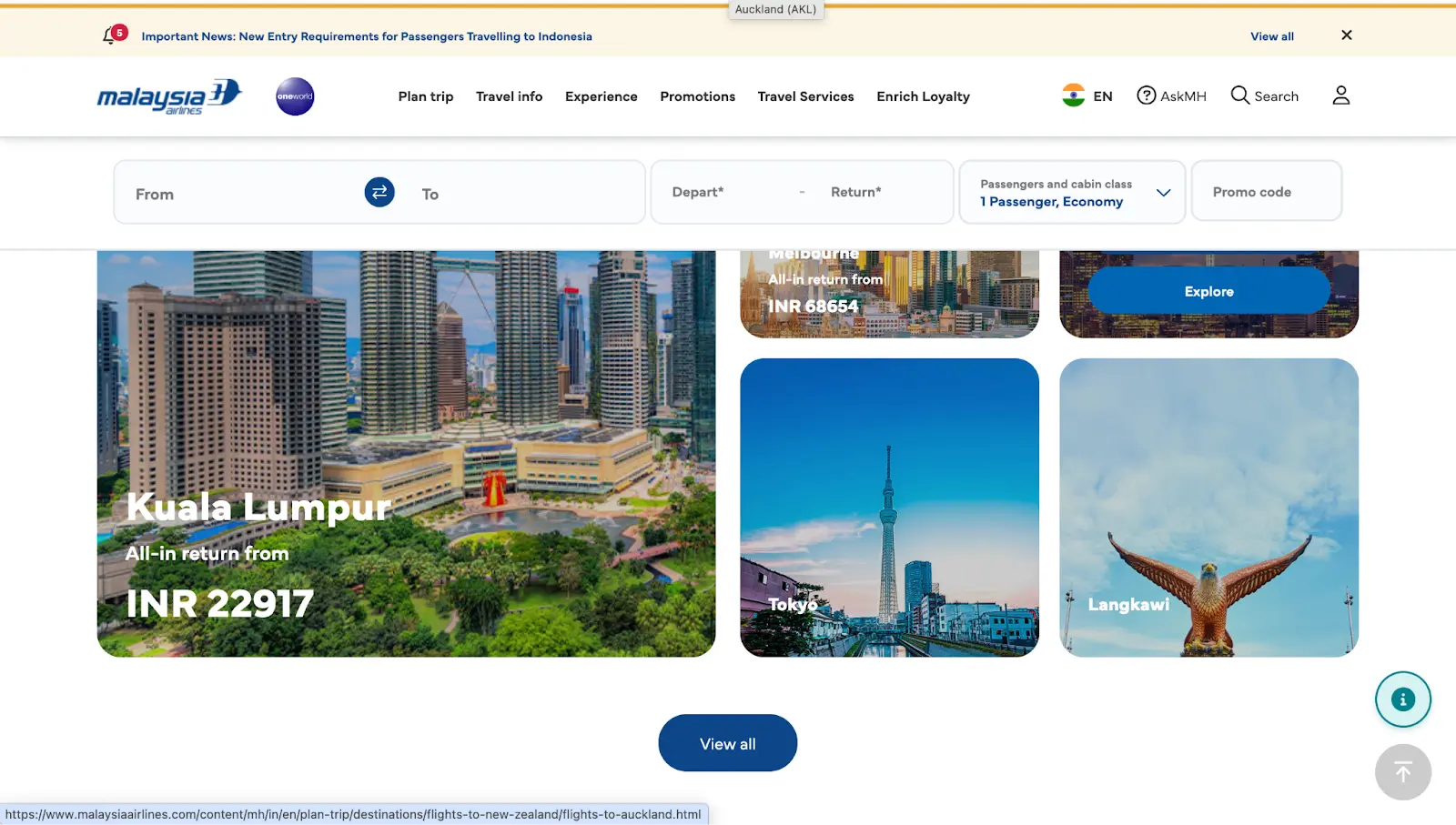
Tab Talk & Back to Top: Small Interactions. Real Impact.
Back to Top is a usability win that’s easy to underestimate — on long product or search pages, smooth scroll navigation meaningfully reduces friction and keeps users engaged longer.
Tab Talk goes somewhere most personalization tools don’t: directly into the browser tab. When a user switches tabs — which happens constantly — they might see “We miss you 👀” or “Your cart is waiting.” It’s a micro-interaction with macro-level intent recovery built in.
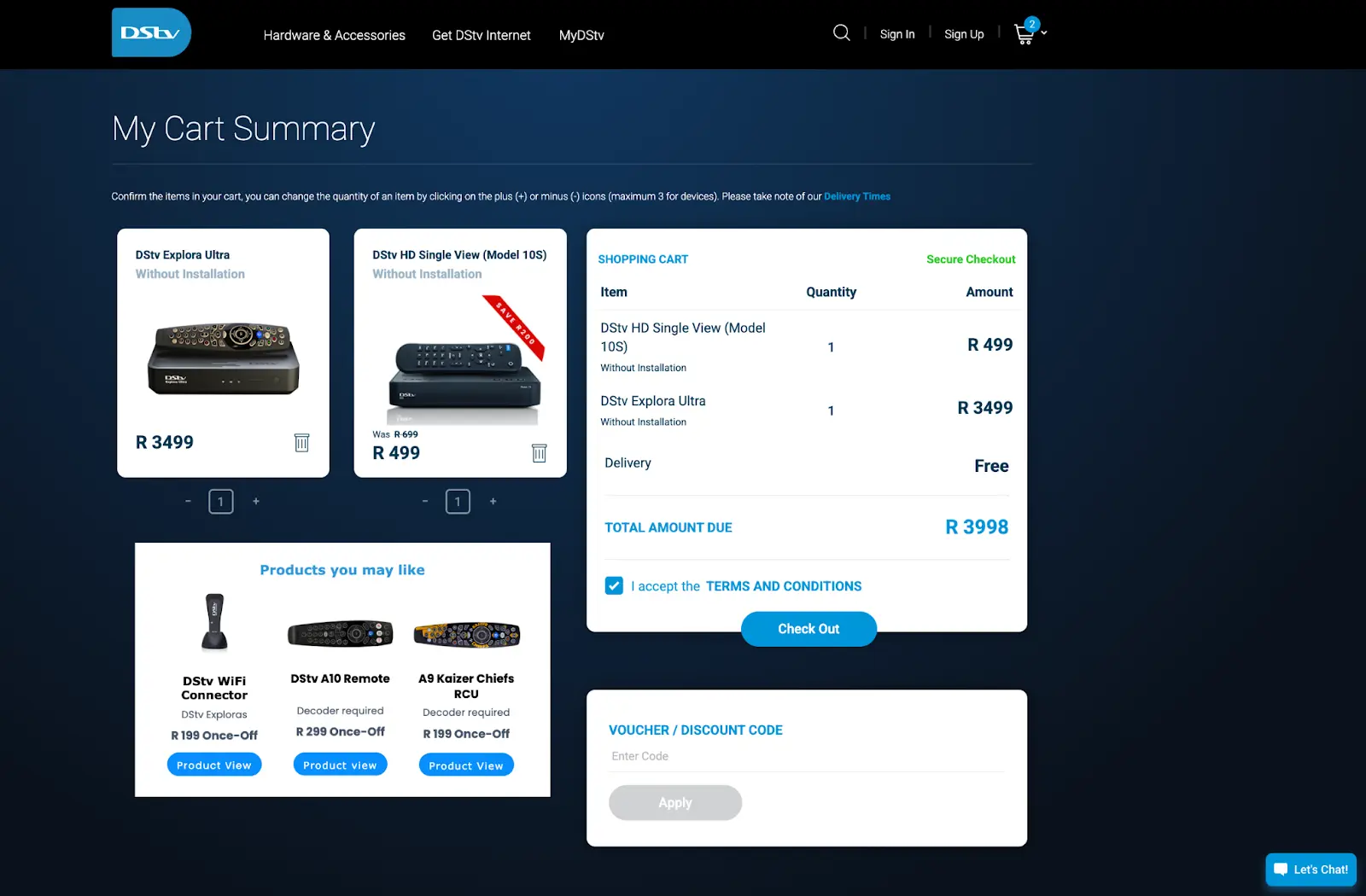
Inline Widgets: Personalization That Feels Native
Overlays interrupt. Inline Widgets integrate.
Powered by the Unified Content Editor, Inline Widgets are fully customizable components embedded directly within your site content. They can deliver real-time personalized recommendations, capture leads, incentivize sign-ups, or promote campaigns dynamically — without ever feeling like an add-on. They don’t disrupt the experience. They enhance it.
Personalization Shouldn’t Be Reactive. It Should Be Orchestrated.
There’s a version of personalization that’s reactive — you fire a pop-up when someone tries to leave, you send a recovery email 48 hours after an abandoned cart, you retarget on paid channels weeks later.
That’s not what this is.
Web Personalization is proactive orchestration. It turns your website into a dynamic acquisition engine, a real-time conversion optimizer, a behavioral retargeting surface, and a loyalty accelerator — all at once. Every visitor sees a version of your brand that reflects their intent, not your default.
For ecommerce, that means increased AOV, faster product discovery, reduced abandonment, and stronger repeat engagement. For BFSI and lead-driven industries, it means embedded form capture, progressive profiling, contextual nudges, and intent-based content surfacing.
The Next Era of Growth Isn’t More Messages. It’s a Smarter Website.
Every brand is looking for the next channel. The next lever. The next campaign format that breaks through.
But the highest-leverage surface you have is one you already own — your website. The question is whether it’s working as hard as it could be.
Web Personalization ensures it does. Your site doesn’t just communicate anymore. It responds. It adapts. It nudges. It converts.
The era of static websites is ending.
Ready to personalize?