




We need to talk about the “Uncanny Valley” of modern marketing. You have the data. You have segments named things like “High Intent Urban Dog Owners.” Yet, when you look at your own inbox or your own browsing history, does it feel like these brands actually know you? Or does it feel like they’re just aggressively guessing?
Most marketers are stuck in the Illusion of Personalization. We think because we’re triggering an email based on a click, we’re being personal. But the customer doesn’t care about your triggers. They care about their context.
The shift for 2026 isn’t about more data; it’s about better intuition. It’s about moving from “We saw you look at this” to “We thought this would help you right now.”
It’s the difference between a salesperson following you around the store staring at your hands (creepy) vs. one who silently places a raincoat near the register because they know it’s raining outside (magic).
We’ve identified 11 high-impact plays that close this gap. These aren’t just “hacks”; they are efficient, data-led shifts that turn a transaction into a relationship.
Here are 11 examples of personalization that actually feel personal.
1. The “Weather-Dependent” Hero Banner
Helpful, timely, and instinctual.
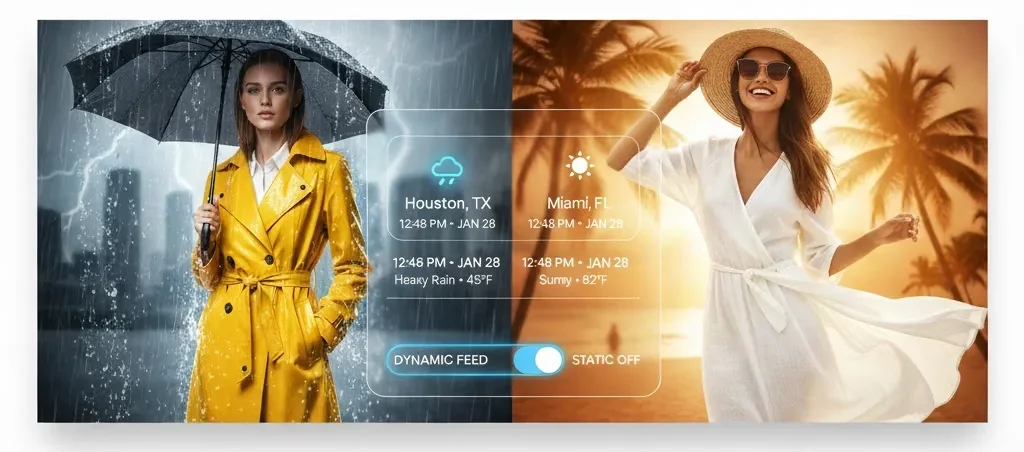
Imagine a customer lands on your homepage. It’s currently pouring rain in their city (let’s say, Houston). Instead of your standard “Summer Sale” banner, they see: “Gloomy out there? Here’s our waterproof trench coat collection.” Conversely, a visitor in sunny Miami sees: “Heatwave incoming. Check out our breathable linens.”
Why it works: It proves you are “live.” It breaks the static feeling of a website and creates an immediate shared reality between the brand and the user.
This feature requires geo-location triggering merged with a live weather API. A platform that handles real-time web personalization (like the dynamic segmentation tools we use at Netcore) can swap these banners automatically without you lifting a finger.
2. The “Replenishment” Nudge (Before They Run Out)
The thoughtful assistant.
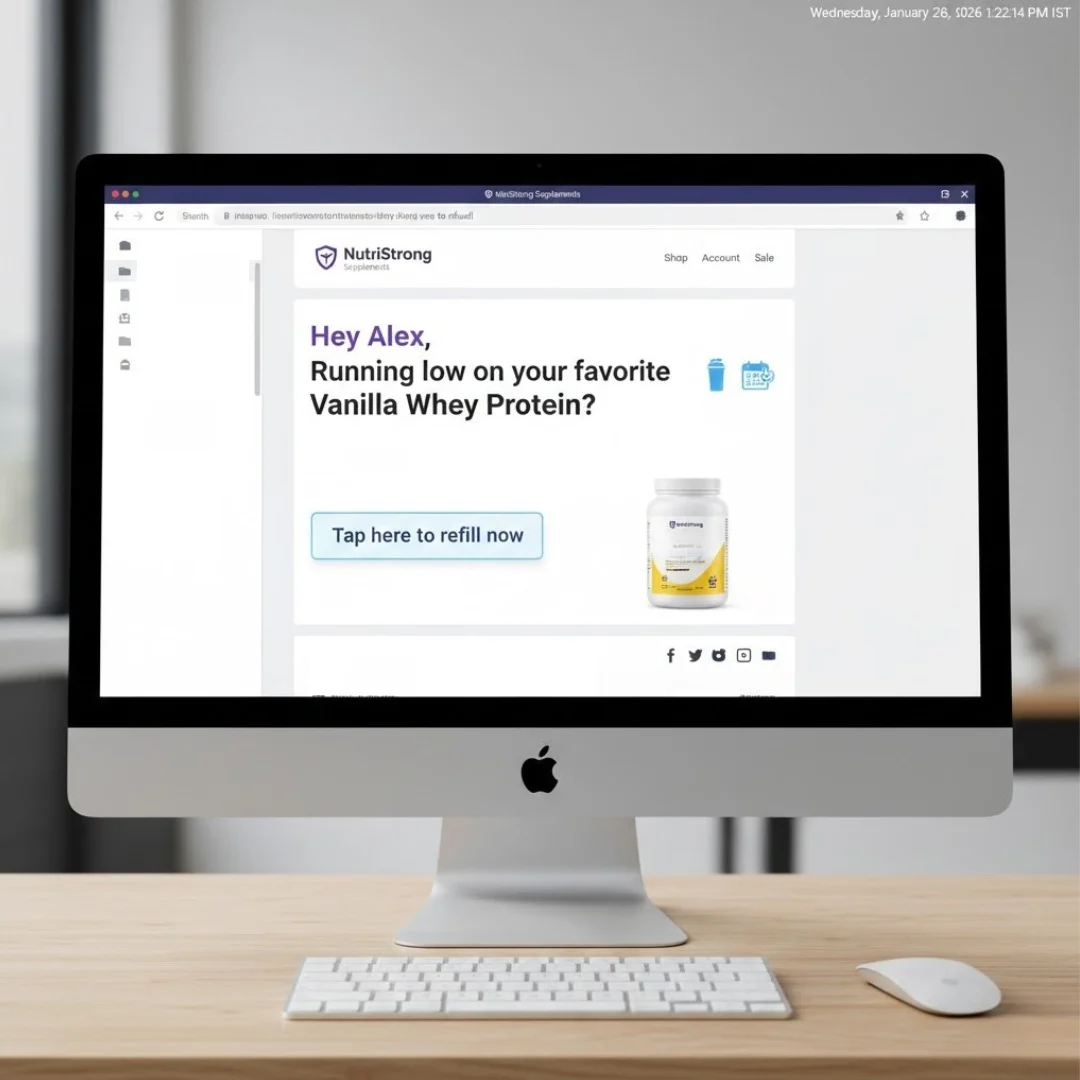
We’ve all received the “Buy this again!” email two days after we just bought it. Annoying, right? The high-impact version is predictive. If you sell protein powder that typically lasts 30 days, the personalized nudge should arrive on Day 26. “Running low? Your vanilla whey is about to run out. Tap here to refill.”
Why it works: It removes mental load. You aren’t selling; you’re reminding. It shifts the dynamic from “transactional” to “service-oriented.”
3. The “Category Affinity” Newsletter
“We noticed you’re into this specific thing.”
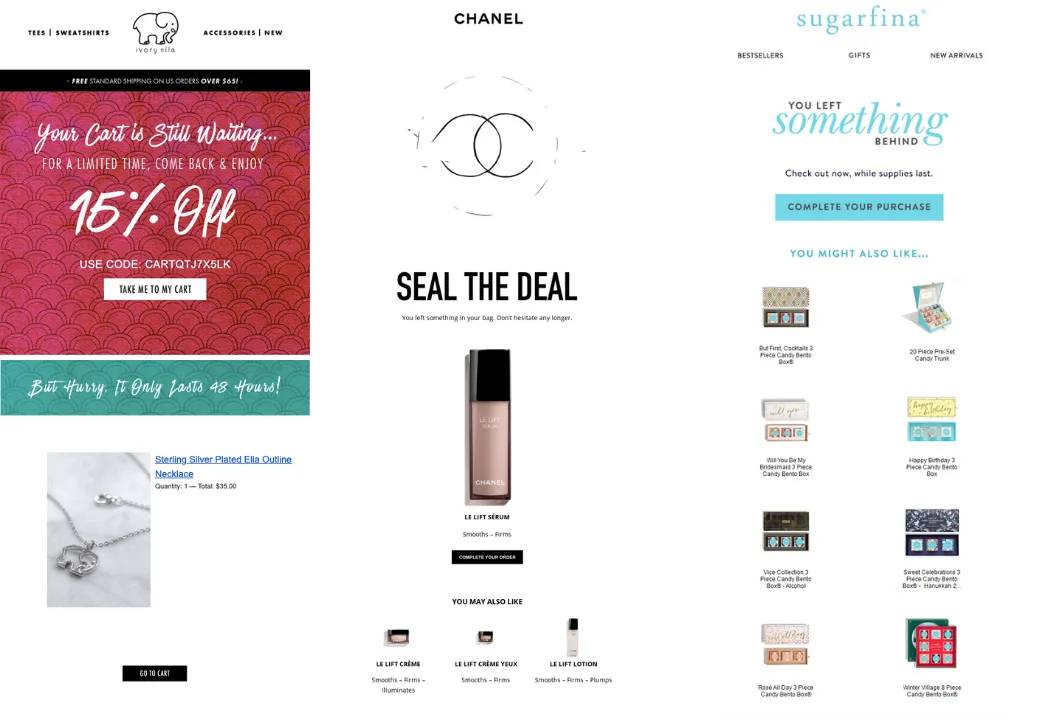
Most newsletters are a “spray and pray” mix of everything. But if User A has only ever clicked on Hiking Gear and never on Yoga Mats, why are you sending them a yoga promo?
A high-impact example is a newsletter that dynamically reorders its content blocks. For the hiker, the boots go to the top. For the yogi, the mats go to the top. Same email sent, two totally different experiences.
Why it works: It respects the user’s attention span. In an era of “Inbox Zero” aspirations, relevance is the only currency that matters.
4. The “In-Session” Exit Intent (That Actually Makes Sense)
The “Wait, don’t go yet” moment.
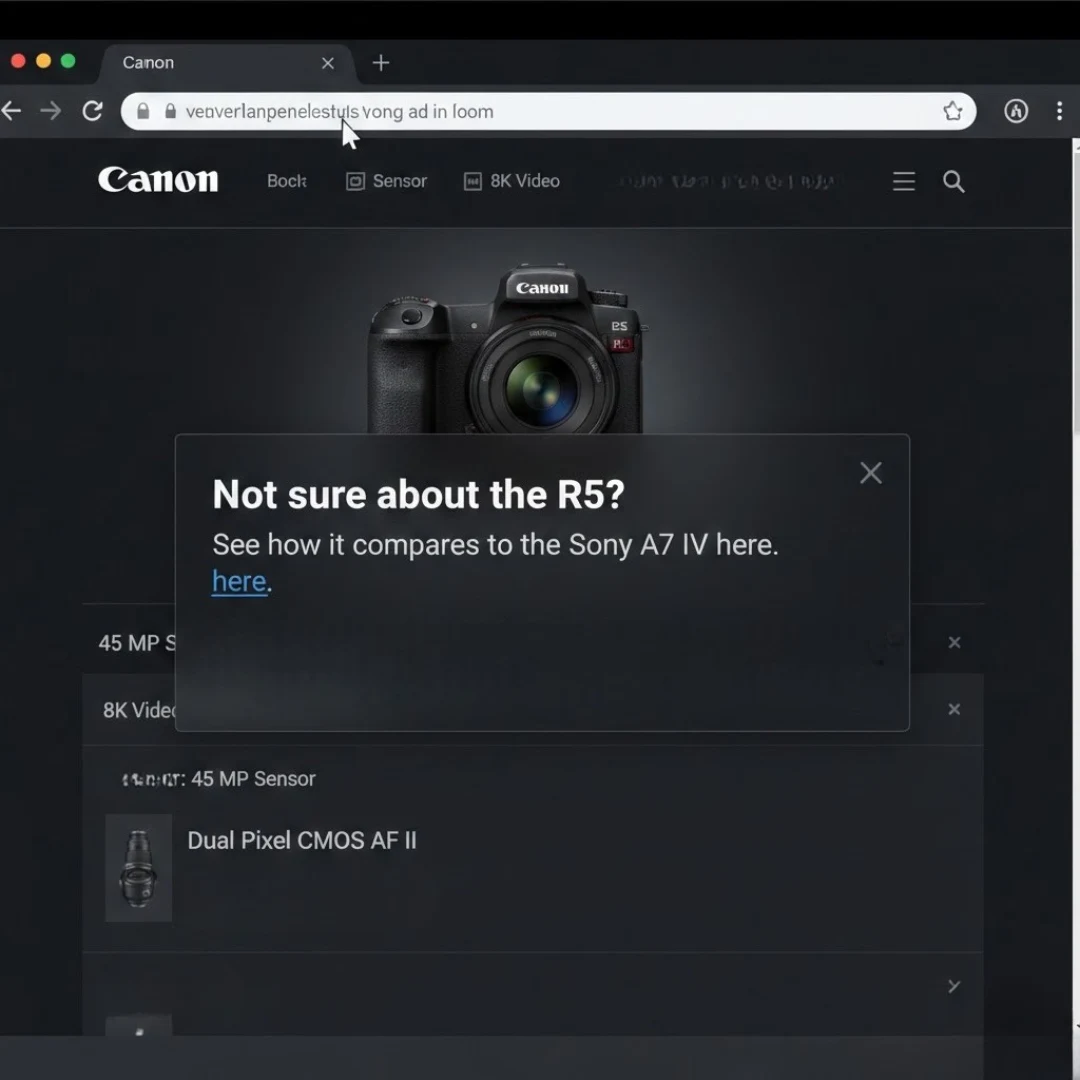
We all hate generic pop-ups. But imagine a user is browsing high-end cameras. They’ve spent 5 minutes reading specs on the Canon EOS R5, but move their mouse to close the tab. Instead of “GET 10% OFF!”, the pop-up says: “Not sure about the R5? See how it compares to the Sony A7 IV here.” and links to a comparison blog or a buying guide.
Why it works: It addresses the hesitation, not just the price. It treats the user as a researcher, not just a wallet. This functionality requires behavioral tracking that understands what the user is looking at, not just that they are leaving.
5. The “Visual Search” Discovery
“I don’t know the name, but I have a picture.”
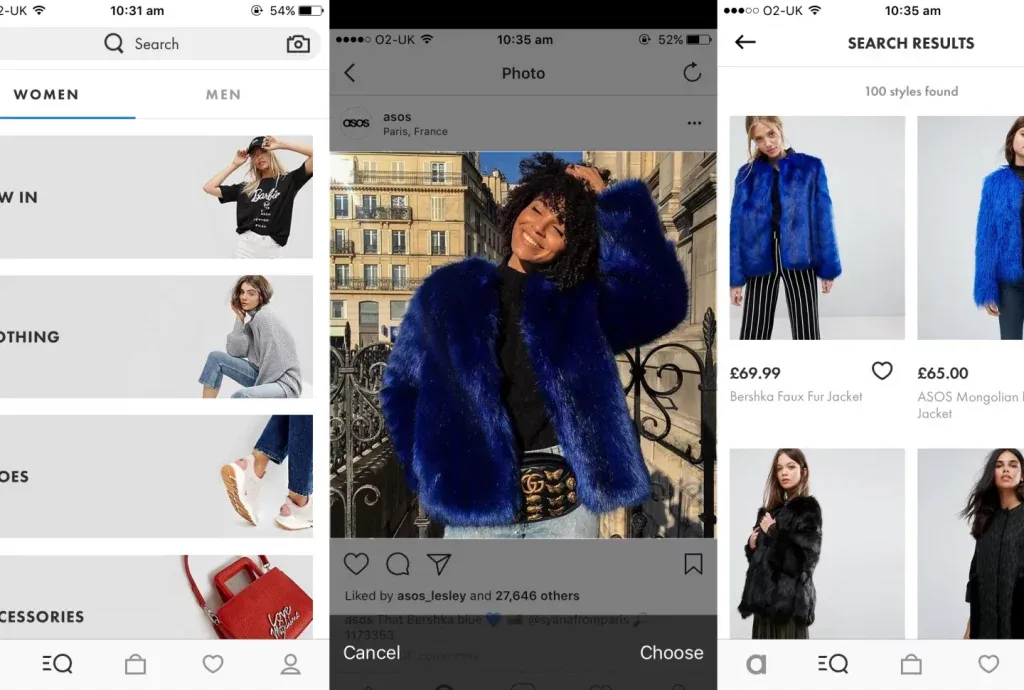
This is a massive trend for 2026. A user uploads a screenshot of a lamp they saw on Pinterest. Your site analyzes the image and returns: “We found 3 lamps that look exactly like this, and 2 that match the vibe.” The leaders in adoption are Gen Z and younger millennials (ages 16–34), with about 22% using visual search to discover or buy items, compared to 17% of 35–54 year-olds and only 5% among those 55+.
Why it works:
It removes the friction of language. Sometimes customers don’t know the difference between “mid-century modern” and “scandi-industrial,” but they know what they like. This relies on AI-driven visual search capabilities (Unbxd-style product discovery) to tag and match catalog images instantly.
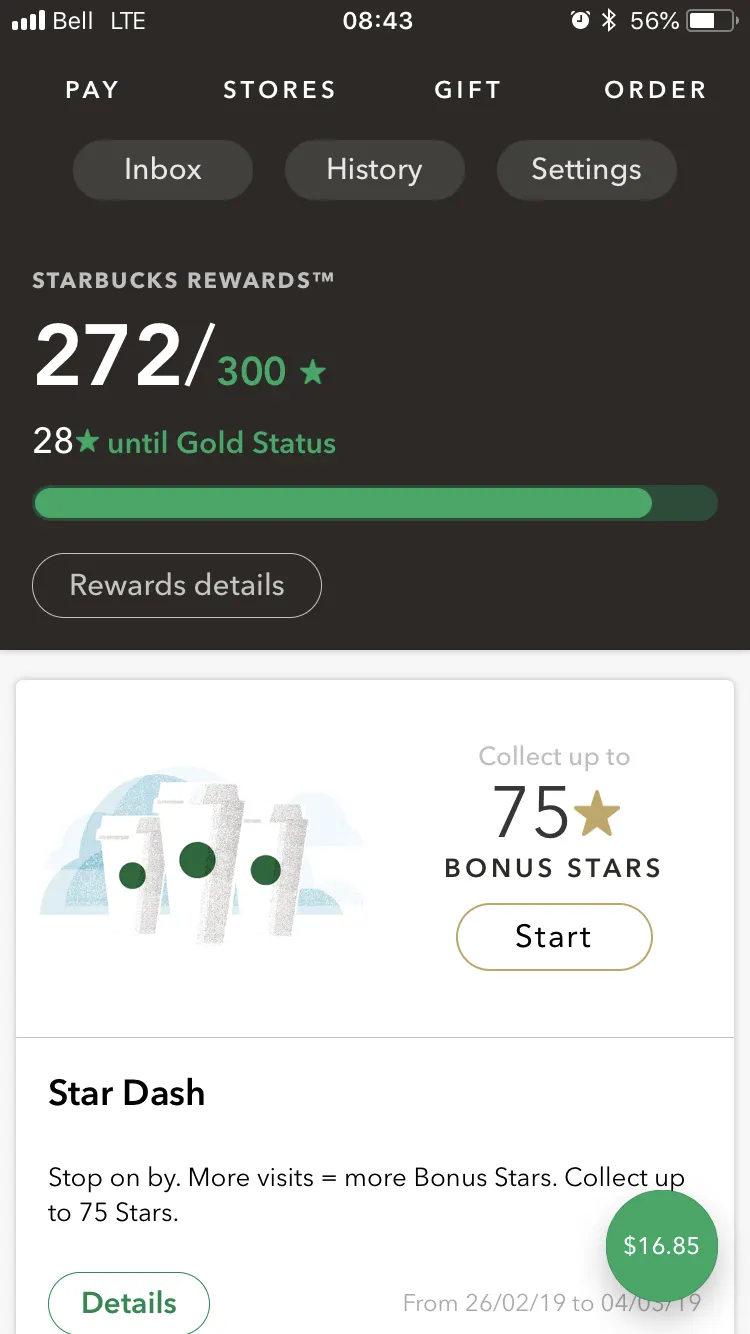
6. The “VIP Tier” Progress Bar
Gamified status.
Instead of a generic “Join our loyalty program,” high-impact personalization shows the user exactly where they stand inside the cart or checkout flow. “You are $12 away from unlocking Gold Status (and free shipping for a year).”
Why it works: It taps into the “goal gradient effect”, people try harder the closer they are to a goal. It turns a boring purchase into a mini-achievement.
7. The “WhatsApp” Transactional-Plus
Meeting them where they chat.
Email is great, but WhatsApp is intimate. A great example is sending the order confirmation on WhatsApp, followed 3 days later by a short video on how to use the product. “Hey Sarah, your coffee machine arrives tomorrow! Here’s a 30-second video on how to get the perfect crema.”
Why it works: It builds post-purchase excitement and reduces “return anxiety.” It feels like a friend texting you tips.
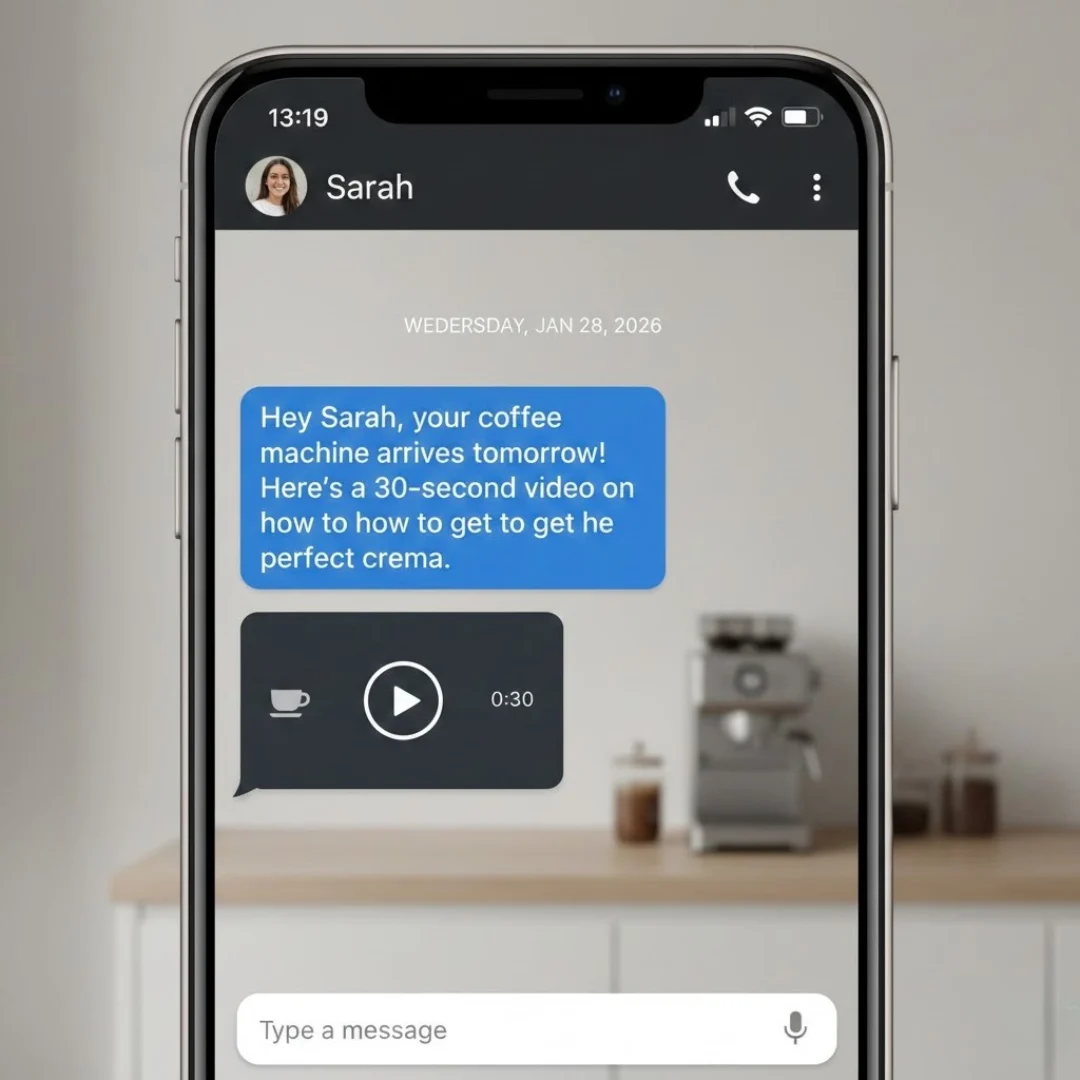
You need a unified stack that can trigger WhatsApp messages based on delivery status updates. (This is where Netcore’s omnichannel orchestration really shines, keeping the conversation fluid across email and chat)
8. The “Abandoned Search” Recovery
Abandoning a cart is common. But abandoning a search is a hidden intent signal.
If a user searches for “red velvet prom dress” on your site but clicks nothing and leaves, the personalization play is an email one hour later: “Still looking for that red dress? Here are our top-rated velvet styles you might have missed.”
Why it works: It captures intent much earlier in the funnel than a cart abandonment email. It says, “We saw you looking, and we’ve done the digging for you.”
9. The “Year in Review” (Spotify-Style)
Nostalgic and shareable.
You don’t need a music app to do this.
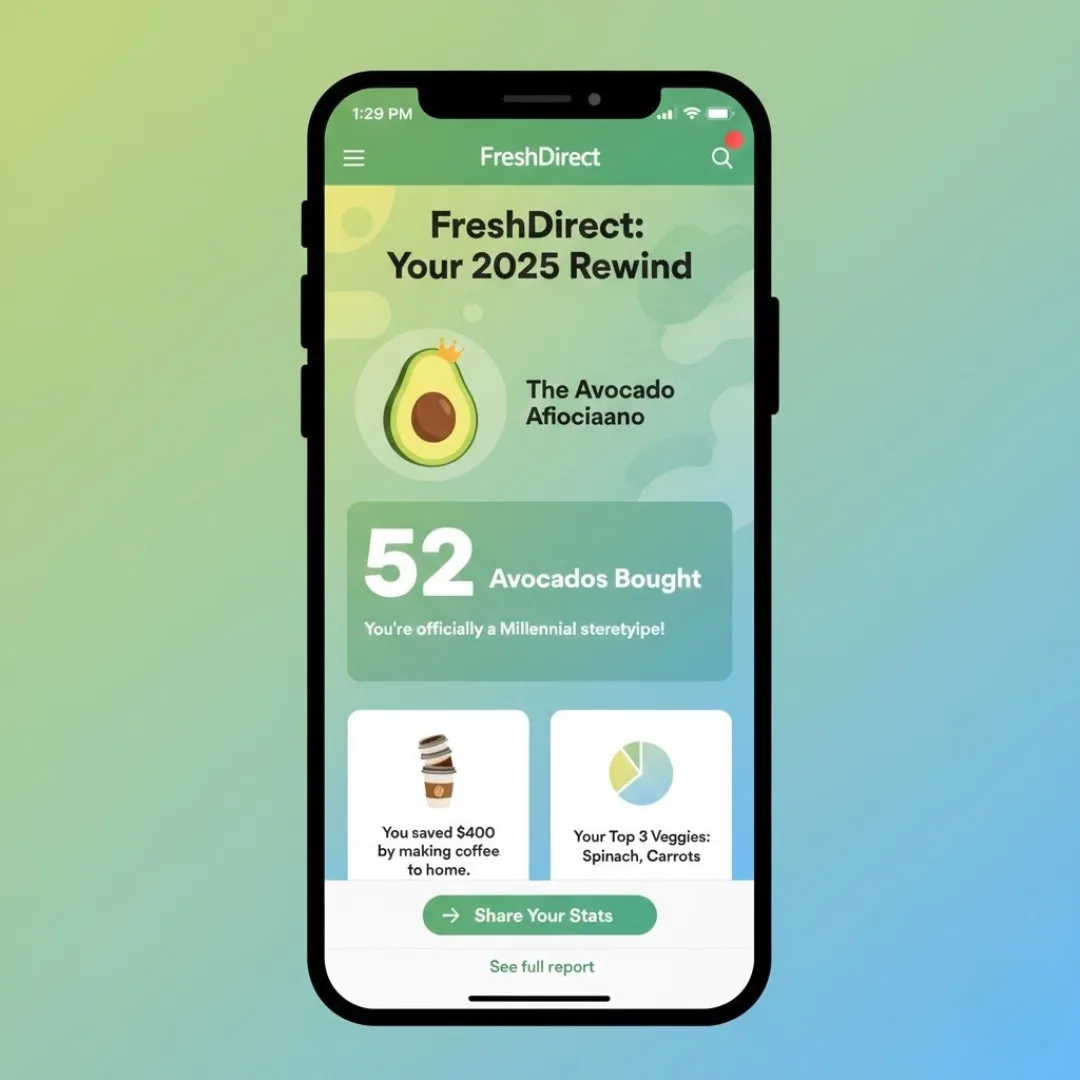
- Bank: “You saved $400 on coffee this year.”
- Grocery: “You bought 52 avocados. You’re officially a millennial stereotype.”
- Apparel: “You really loved the color Blue in 2025.”
Why it works: It turns data into a story. It celebrates the relationship between the customer and the brand.
10. The “Locally Trending” Social Proof
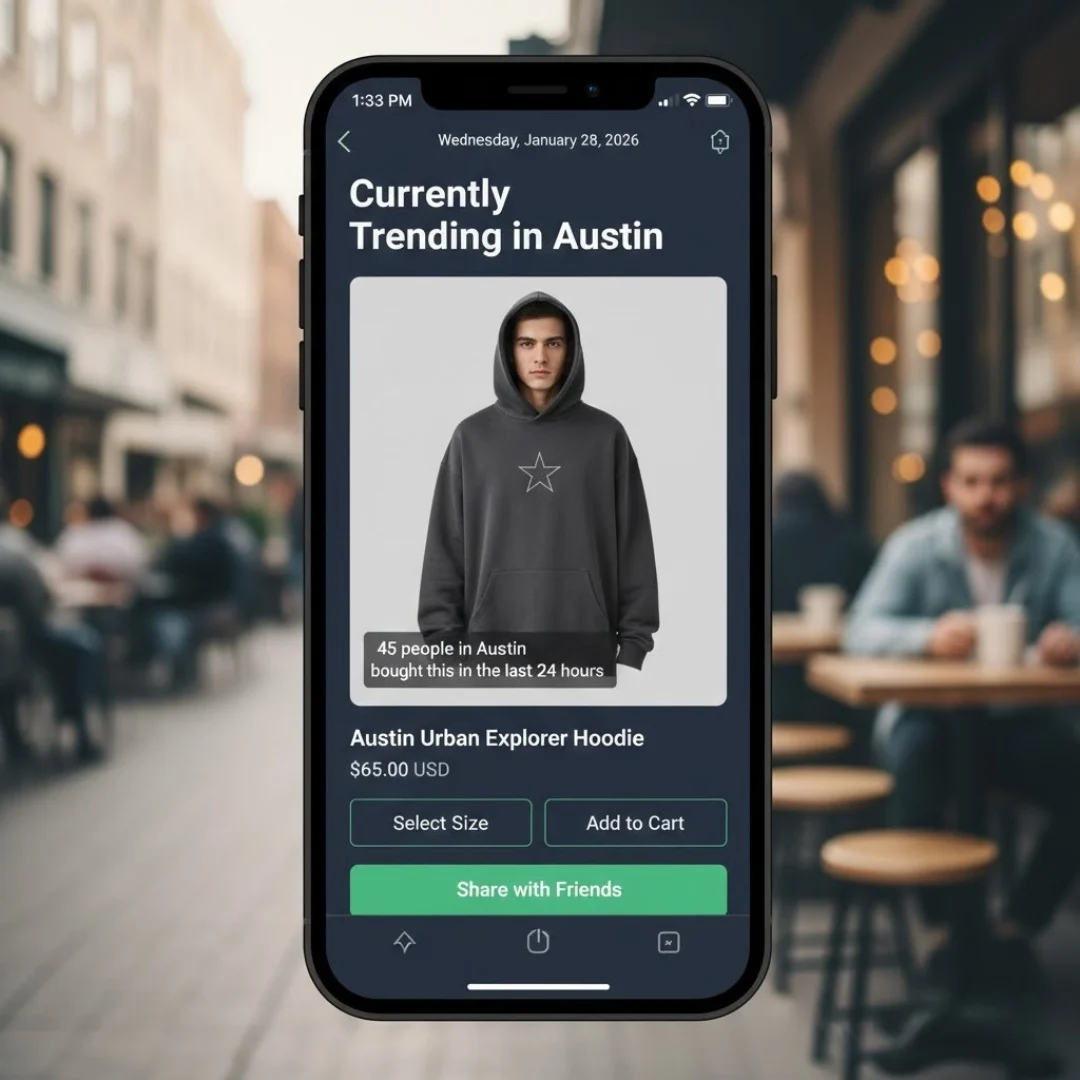
Peer pressure (the good kind). On the product page: “Currently trending in [User’s City]. 45 people in Austin bought this in the last 24 hours.”
Why it works: It localizes social proof. “Trending worldwide” is vague. “Trending in my city” feels relevant and urgent.
11. The “Agentic” Shopper Assistant
The future is now.
This is the cutting edge for 2026. Instead of filters, users interact with an AI agent. User: “I need an outfit for a beach wedding in October, budget $200.” Agent: “Here is a linen suit in beige ($150) paired with these loafers ($45). I checked the weather for October beaches, and this fabric is perfect.”
Why it works: It compresses the entire browsing journey into a single conversation. It’s “Agentic Marketing”, where AI doesn’t just recommend, it actively curates and solves.
So, Where Do You Start?
Reading this list might feel overwhelming. You might be thinking, “I don’t have a team of 50 data scientists.”
Here’s the secret: You don’t need to do all 11.
Start with the data you already have.
- Do you have location data? Try the weather banner.
- Do you have purchase dates? Try the replenishment email.
- Do you have search logs? Try the abandoned search recovery.
The goal isn’t to overhaul your entire stack overnight. It’s to pick one high-impact moment and make it feel human.
At Netcore, we make your tools talk to each other. If your email tool knows what your web tool is seeing, half of these examples become automated workflows you set up once and profit from forever. Don’t overcomplicate it. Pick one interaction. Make it personal. Watch the results roll in.
Ready to see what your data is actually telling you? Let’s take a look under the hood.