




Let’s be honest: looking back at 2025, the “clean beauty” craze feels almost quaint, doesn’t it? As we head into 2026, the North American health and beauty landscape has mutated into something far more complex and profitable. North American beauty and personal care sales are projected to reach around $179 billion by 2030, building from $151 billion in 2025 amid strong growth in skincare and personal care segments.
We aren’t just selling lipstick and lotion anymore. We are selling longevity, mental clarity, and a sense of identity, fueled by the convergence of the global wellness economy, which is nearing $7 trillion.
But here’s the reality check: In an era where TikTok trends burn out in 72 hours, and AI agents are beginning to shop for consumers, “good marketing” just won’t cut it anymore. You need flawless, hyper-agile, data-obsessed marketing that anticipates needs before customers vocalize them.
If you’re planning your 2026 strategy, guessing isn’t an option. Here’s your deep dive into the benchmarks you need to hit and the trends that will define the winners this year.
Before you dive in, we’ve compiled brand- and sub-vertical-specific metrics in our report that you’ll want to bookmark.
2026 Health & Beauty Marketing Benchmarks You Need to Know
Before reinventing the wheel, check your speedometer. The gap between average brands and AI-native brands is turning into a canyon. Here’s how North America’s health and beauty industry measures up in 2026:
| Metric | 2026 North America Benchmarks | Lift From Personalization |
| Average Conversion Rate | 2.0% | +15–18% with AI-driven personalization |
| Average Order Value (AOV) | $48 | +10–12% via smarter cross-sell/upsell |
| Repeat Purchase Rate | 32% | +10–15% with lifecycle journeys |
| On-Site Search Conversions | 13–14% | +12–18% with personalized discovery |
| Retention Rate (12 months) | 21–22% | +10–12% with loyalty + personalization |
Sources: Synthesized industry reports and anonymized Netcore data across health and beauty brands.
Consumers expect personalized experiences now more than ever: 71% demand it, while 76% say personalization makes them more likely to purchase, and 78% to repurchase.
If you’re not personalizing at every key touchpoint, you’re not just leaving money on the table; you’re training your customers to shop elsewhere.
2026 Health & Beauty Marketing Trends Shaping the Landscape
1. “Predictive Personalization” Replaces Basic Segmentation
In 2025, knowing a customer’s name was impressive. In 2026, you need to know their skin cycle, mood, and habits. Shoppers now embrace “Algorithmic Beauty”, expecting brands to predict their needs before they realize them, with Gen Z showing strong openness to AI-driven recommendations.
What You Can Do
- Weather-Triggered Nudges: Use API integrations to trigger email or WhatsApp based on local conditions. “UV Index is 9 in Miami today, Sarah. Did you apply your SPF 50?”
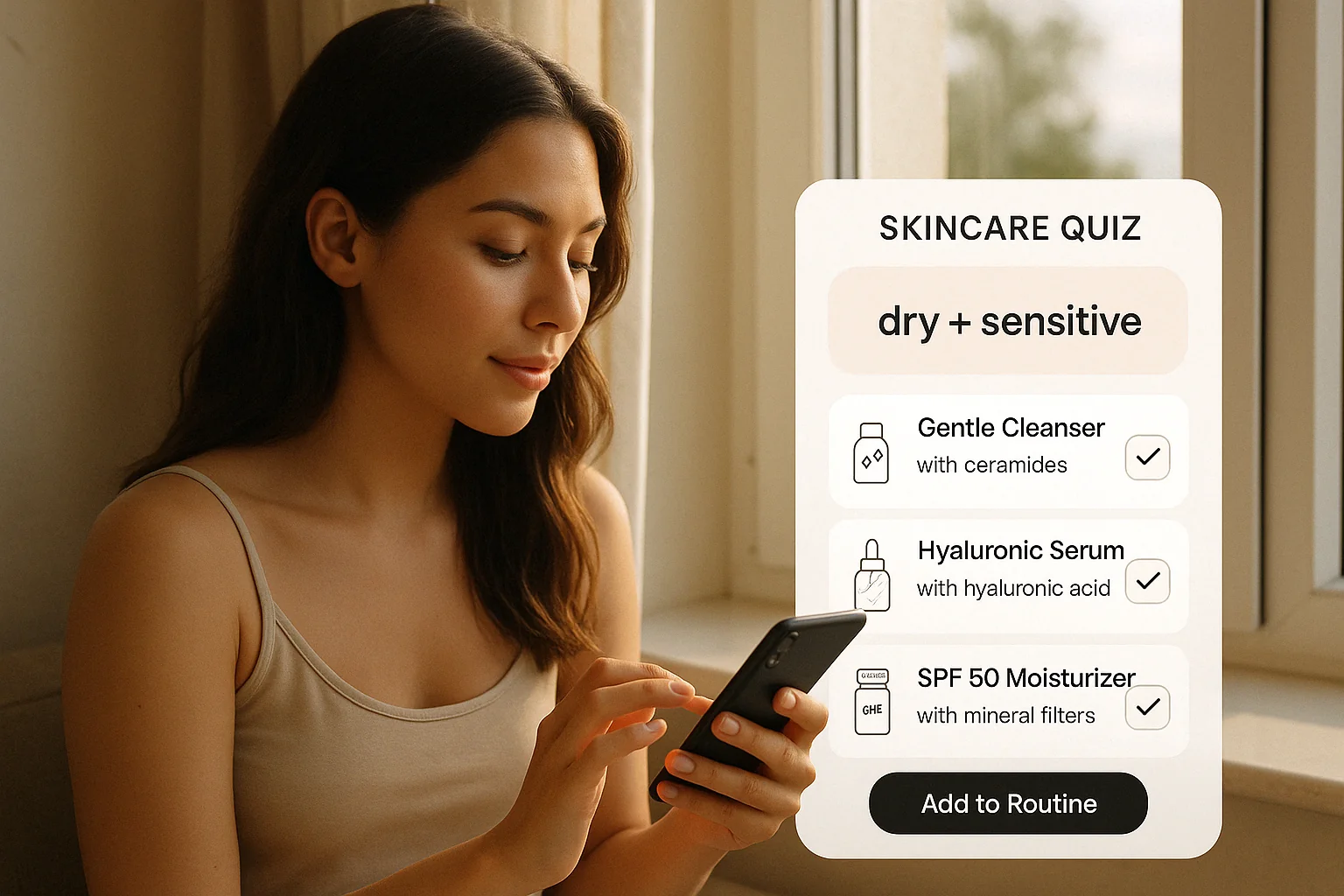
- Smart Regimen Building Strategy: Don’t just sell a product; sell a routine. Use AI quizzes on your site to build a dynamic 3-step regimen that changes based on the user’s age, season, and skin concerns.
- Predictive Replenishment: Move beyond generic “30-day” reminders. Use AI to calculate exactly when a user needs to reorder and send a WhatsApp repurchase link 3 days prior.
2. The Funnel Collapses: Social IS the Store
The “Discovery -> Website -> Purchase” funnel is outdated. With the maturity of TikTok Shop and YouTube Shopping, discovery and purchase happen simultaneously.
However, the retention happens on your owned channels. The goal for 2026 is to move social traffic to owned data channels immediately.
What You Can Do
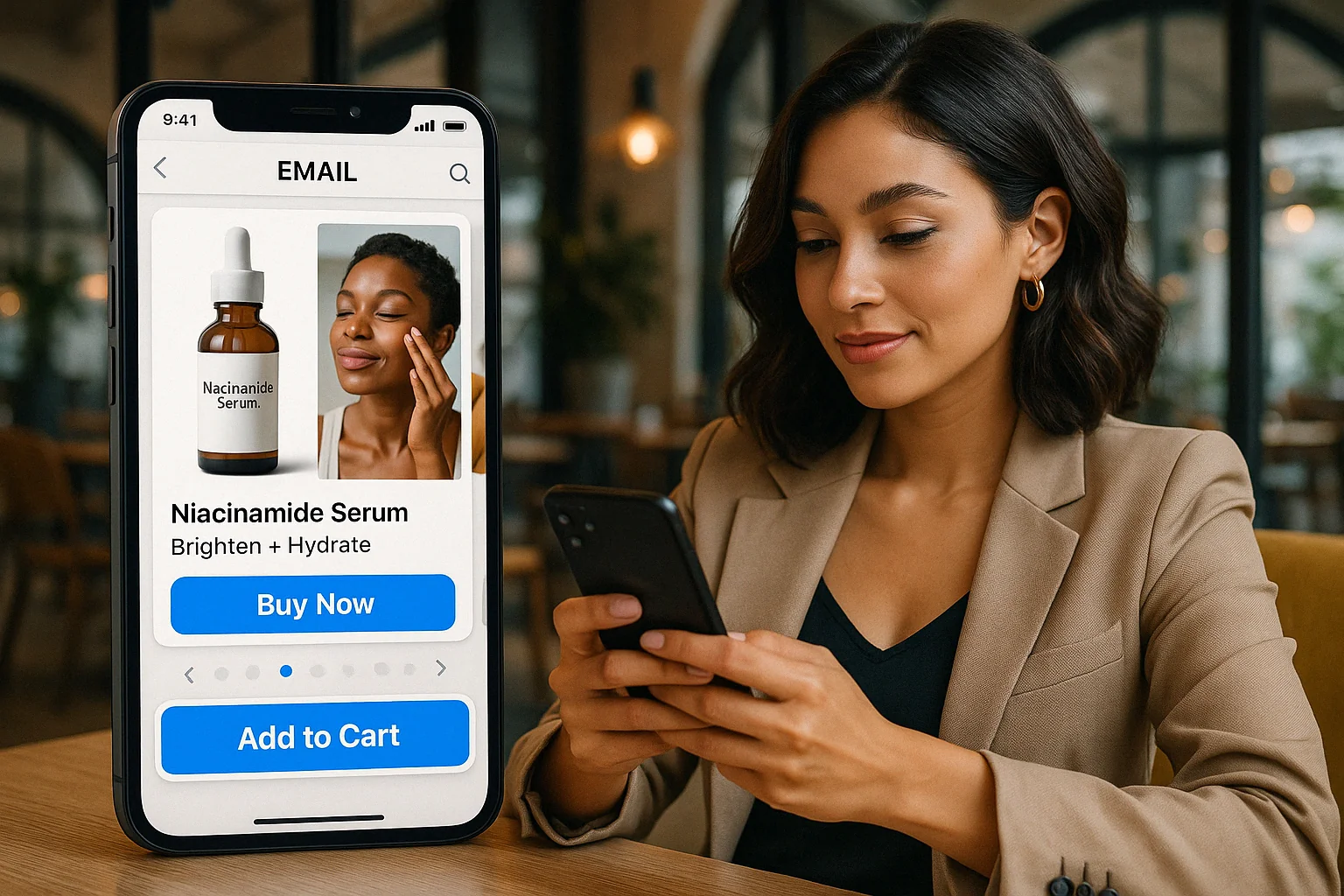
- Shoppable WhatsApp & RCS: Don’t just send text alerts. Send tappable, carousel-style catalogs directly to customers’ phones. Allow them to browse ingredients and “Add to Cart” inside the chat.
Did you know? A leading Health and Beauty brand uses this exact functionality to increase their orders by 15x. Learn How!
- Video-First PDPs: Static images are dead. Replace your hero images with auto-play vertical video (UGC style) on product pages. It keeps users on-site longer and boosts conversion by up to 20%.
- Influencer “Storefronts”: Allow your top creators to curate their own landing pages on your site. Traffic from influencer-curated pages converts at a higher rate than general traffic.
3. “Clinical Validation” Over “Clean Beauty”
The “Clean Beauty” buzzword has lost its shine due to a lack of regulation. 2026 is the year of “Biotech Beauty” and “Clinical Proof.” Today’s consumer is a “Skintellectual.” They track ingredients like financial stocks, and research them for efficacy before buying, and don’t want “natural”; they want “biocompatible” and “lab-grown.”
What You Can Do:
- Ingredient Education Layers: Add hover-over tooltips on your product pages that explain why an ingredient is there (e.g., “Niacinamide: Pore Minimizer”).
- Zero-Party Data Filtering: Let users filter your site by what they don’t want (e.g., “Show me products without silicones”).
- Transparency Reports: Use your email flows to share the supply chain journey. Radical transparency builds radical trust.
4. “Longevity” & “Metabolic” Beauty Boom
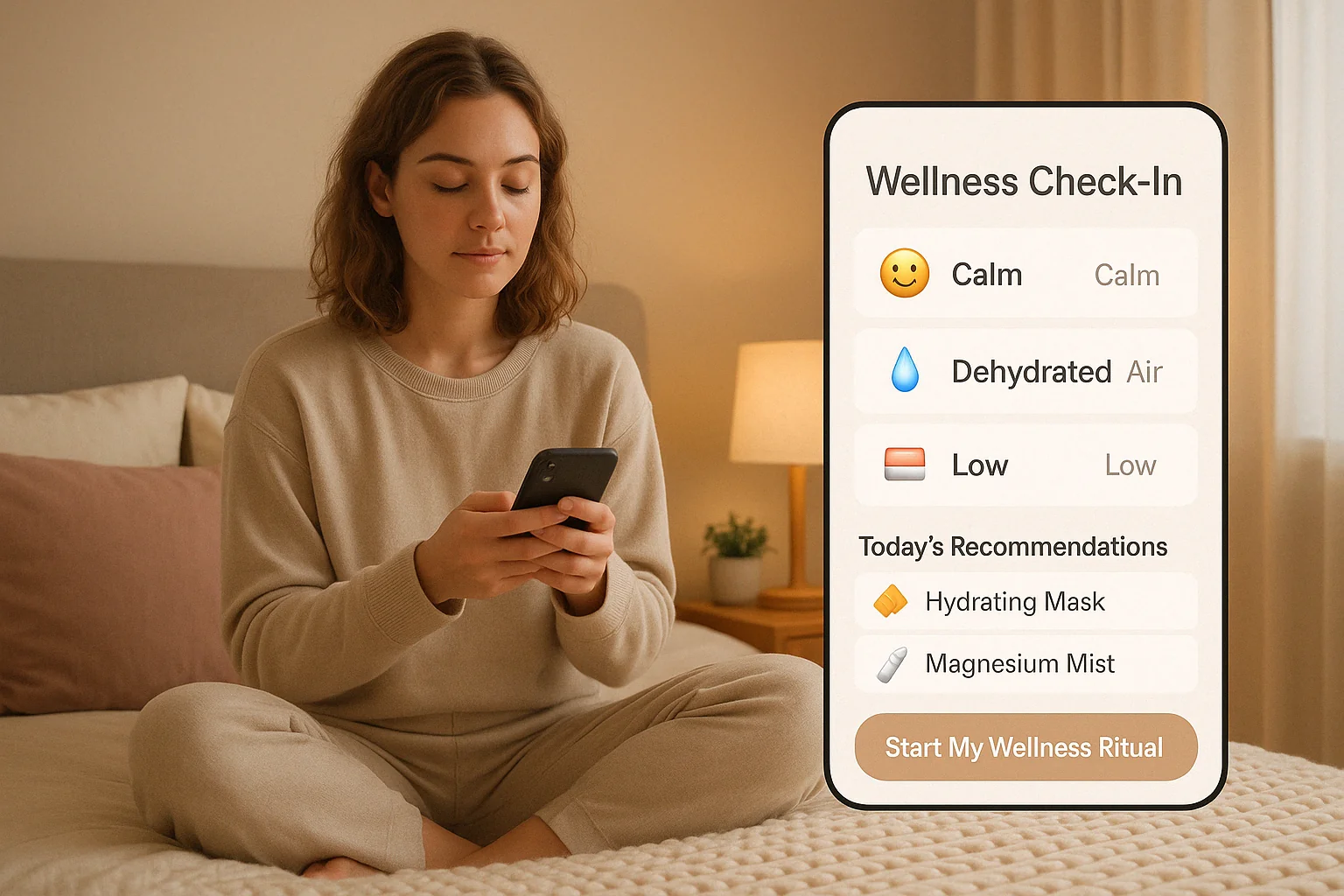
Beauty and wellness are truly one. The conversation is shifting from “anti-aging” to celebrating “longevity” and a healthy metabolism, especially as the Menopause and Silver Economy markets expand rapidly.
What You Can Do
- Wellness Bundles: Pair topical products with ingestibles and wellness tools. Example: A “Sleep & Repair” kit containing a night cream, a silk eye mask, and a sleep supplement.
- Mood-Based Marketing: Instead of just targeting “Dry Skin,” target the feeling. Run campaigns for “Stressed Skin,” “Tired Eyes,” or “Post-Workout Glow.”
- In-App Wellness Trackers: Add a feature to your app that lets users track water intake or sleep, and correlate it with their skin health.
5. UGC is the New Creative Standard
High-gloss, studio-perfect images no longer move today’s consumer. They crave real texture, pores, and honest lighting, because 79% say user-generated content impacts their buying decisions more than influencer posts.
What You Can Do:
- Shoppable UGC Galleries: Embed a “Real Results” gallery on every product page where users can swipe through photos of people with their skin tone/type.
- Post-Purchase Video Requests: Automate a WhatsApp message 14 days after delivery, offering a discount code in exchange for a quick video review.
- Community Sourcing: Launch a “Face of the Brand” campaign where customers submit content to be featured in your ads.
The Best Part? You Can Do All of This with Netcore.
Feeling overwhelmed? Terms like predictive AI, shoppable WhatsApp, and weather-triggered messaging sound complex, but Netcore makes them accessible.
Netcore’s GenAI-powered marketing platform equips health and beauty brands to execute these 2026 strategies without needing a team of data scientists.
- Unify Your Data: Connect offline store purchases with online browsing for a single view of the customer.
- Personalize at Scale: Use GenAI to create unique email copy and product recommendations for every single user.
- Orchestrate Journeys: Seamlessly switch between Email, SMS, WhatsApp, and App Push based on where the customer is most likely to click.
The Road Ahead for Health and Beauty Marketing in 2026
Health and beauty marketing in 2026 demands innovation, speed, and deep empathy. The brands that win will be those that stop treating customers as “segments” and start treating them as individuals.
The future is:
- Hybrid: Blending physical wellness with digital convenience.
- Hyper-Personalized: Powered by Generative AI.
- Human: Validated by community and science.
Brands that embrace Netcore’s AI-powered solutions won’t just survive the 2026 shift; they will define it.
Talk to us today to future-proof your growth