




The first sign of an inbox visibility problem is not always a drop in delivery.
More often, it shows up in performance.
Opens slow down. Clicks soften. Campaigns stop scaling the way they used to.
In ecommerce, that’s where the risk is highest.
Because email isn’t just a channel, it sits inside the purchase journey, driving discovery, capturing intent, and converting demand in real time.
So when visibility drops, the impact isn’t always obvious, but it’s immediate. Messages are easier to overlook. Offers are missed. High-intent moments pass without action.
At first, the effect looks small: slower response, weaker engagement. But over time, it compounds into lost revenue.
That’s the blind spot in most deliverability conversations.
Inbox visibility isn’t just a technical metric. In ecommerce, it’s a direct constraint on conversion.
Inbox visibility is the new conversion bottleneck
Deliverability is often measured as a binary: delivered vs not delivered.
But the reality is messier.
1) Delivered doesn’t mean seen.
An email can be accepted by the mailbox provider and still:
- Land in spam or junk
- Appear in Gmail Promotions, where Top Picks influence visibility
- Get buried among other emails in the inbox
So delivery rates can look healthy even while opens, clicks, and revenue decline.
2) The inbox isn’t just one place.
Even when emails reach the inbox, visibility is not uniform.
For ecommerce, marketing emails are typically routed to the Promotions tab. That’s expected behavior, not a failure.
What matters is how prominently those emails appear within that environment.
Inbox providers rank and organize messages based on engagement and relevance signals. As a result:
- Some emails are surfaced immediately when the tab is opened
- Others are pushed lower, competing with dozens of similar campaigns
So the question isn’t just whether an email reached the inbox, but whether it appeared in a position where it had a realistic chance of being seen.
This distinction is easy to miss in reporting. Delivery remains stable, yet visibility varies significantly, especially during high-volume periods.
Consider this: 1 in 4 users never check their Promotions tab. That means many marketing emails are technically delivered, but rarely seen.
Why ecommerce emails are more exposed to visibility issues
Inbox visibility challenges don’t affect all industries equally.
Commerce and retail emails are structurally more exposed, driven by how these programs operate.
1) High email volumes increase filtering pressure
Ecommerce brands send more emails than most industries:
- Frequent campaigns (sales, launches, seasonal pushes)
- Lifecycle journeys (cart, browse, replenishment)
- Transactional updates (orders, shipping, returns)
This constant volume creates more data for mailbox providers to evaluate and more opportunities for filtering decisions.
Even small inefficiencies in engagement or targeting get amplified at scale.
2) Promotional nature drives classification
Retail email is inherently promotional: Discounts, offers, product-led campaigns, urgency-driven messaging.
That makes these emails far more likely to:
- Be routed to Promotions tabs
- Compete in lower-attention environments
- Be deprioritized during high-volume periods
Unlike utility-driven emails (banking, travel, alerts), ecommerce emails are always competing for attention.
This is especially visible in categories like apparel during sale cycles or beauty during high-frequency launch periods, where inbox competition intensifies dramatically.
3) Greater exposure to promotions and spam placement
Because of volume and promotional intent, ecommerce emails:
- Spend more time in the Promotions tabs
- Face a higher risk of spam placement during peak periods
- Compete directly with similar offers in the same window
In retail, inbox placement might average around 87.7%. But that doesn’t mean performance is safe.
Losses tend to concentrate around:
- Specific mailbox providers
- Peak sending periods
- High-frequency campaign windows
For example, during large sale events in apparel or high-intent seasonal pushes in home goods, even small placement shifts can significantly impact visibility.
And when inbox visibility and email placement drop, the impact is rarely linear; it hits performance disproportionately.
Mailbox providers are optimizing for trust
Mailbox providers aren’t trying to hurt marketers. They’re protecting the inbox experience.
They’ve also made expectations explicit.
For example, Gmail’s sender guidelines require bulk senders to:
- Authenticate properly
- Maintain low spam complaint rates
- Enable easy unsubscribe (including one-click)
This reframes deliverability from a setup task into an ongoing trust system, driven by: authentication, reputation, engagement, and user feedback.
And filters are getting stricter.
Spam placement nearly doubled from Q1 to Q4 2024, a trend echoed across industry benchmarks.
Which means inbox visibility is becoming harder to maintain, especially for high-volume, promotional senders like ecommerce brands.
Why small visibility drops hurt ecommerce revenue more
A visibility problem does not affect every industry the same way.
In ecommerce, the impact is sharper because email is directly tied to revenue moments.
When inbox visibility drops:
- Offers are missed
- Purchase intent goes uncaptured
- Decisions get delayed or lost
This is especially critical in categories like:
- Health & beauty, where replenishment timing matters
- Apparel, where promotions are time-bound
- Home goods, where campaigns drive discovery and consideration
At first, the impact may look small. But over time, it compounds into:
- Fewer repeat purchases
- Longer gaps between orders
- Increased reliance on paid channels
That’s what makes inbox visibility so important.
It doesn’t just reduce reach. It disrupts timing, intent capture, and conversion.
The measurement gap most teams miss
Most teams cannot directly measure inbox visibility.
So the problem shows up indirectly:
- Delivery rates remain stable
- Opens and clicks soften
- Campaign performance becomes inconsistent
- Revenue stops scaling with volume
This creates a dangerous blind spot.
Because by the time metrics clearly reflect the issue, performance has already been impacted.
How to operationalize this: a practical playbook
1) Start with your most engaged segments
Do not look at your full list first. Start with the segments most likely to reflect visibility changes:
- Recent purchasers
- Repeat buyers
- High-intent subscribers
Then look for early signs: weaker opens, softer clicks, missed campaigns, or “I didn’t see this” signals.
2) Align content, frequency, and targeting
Mailbox providers pay attention to how people respond to your emails. That means your sending strategy has to feel relevant and consistent.
What helps:
- Sending fewer low-value blasts
- Keeping useful emails distinct from promotional ones
- Reducing repetitive campaigns
- Using preference centers to cut irrelevant mail
- Adjusting frequency based on recent engagement
- Sending to your most engaged segments first when ramping volume
What hurts:
- Blasting everyone to drive opens
- Pushing frequency beyond what customers expect
- Using gimmicks that create short-term clicks but long-term fatigue
3) Get the basics right and plan for peak moments
Some things are non-negotiable:
- Proper authentication
- Easy unsubscribe
- Low complaint rates
- No sudden spikes in send volume
These basics shape whether your email keeps landing in visible places.
And when inbox visibility drops during an important period, you need a response plan:
- Tighten targeting
- Send to the most engaged users first
- Smooth out volume spikes
- Simplify content quickly
- Use SMS or push for critical VIP moments if needed
4) Make promotional emails work harder in Promotions
Not every email needs to land in Primary.
For sale-led or discount-heavy campaigns, the goal is often not to fight Promotions, but to perform better inside them. That means making the offer clear immediately and using tools like Annotations, where available, to help the email stand out.
6) Make the message easy to understand at a glance
Even when placement is right, the email still has to win attention quickly.
That means:
- Put the core value in the first lines
- Highlight top picks early
- Make the first screen easy to scan
- Align the subject line, preview text, and opening content
- Keep key details in text, not just images
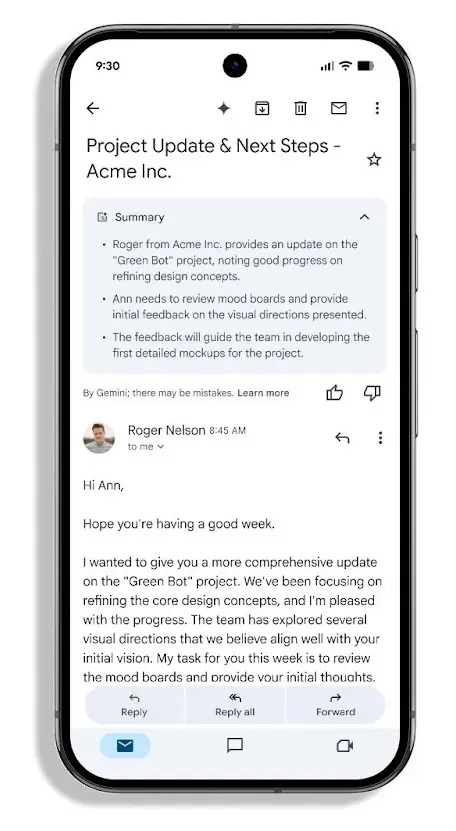
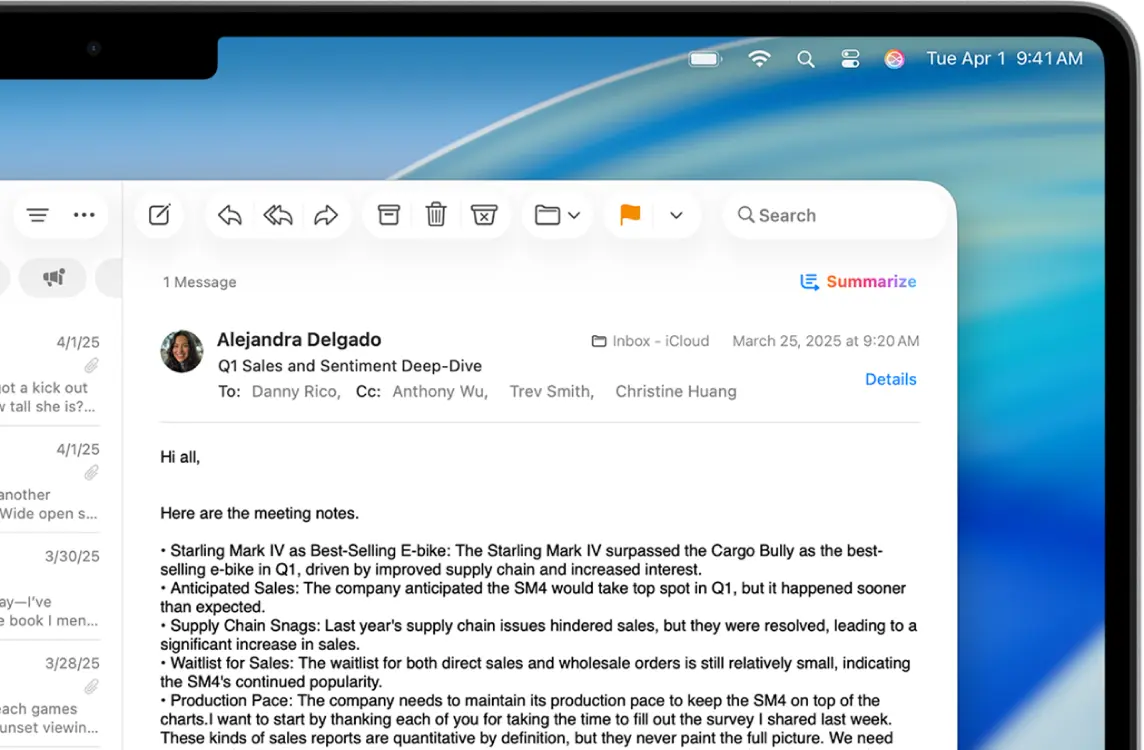
This matters even more as AI summaries become part of the inbox experience. They do not stop delivery, but they can shape whether the customer understands the message fast enough to act.
The new north star: consistent visibility where it drives revenue
In ecommerce, performance doesn’t break all at once.
It erodes when your emails stop showing up where they can actually influence decisions.
That’s why inbox visibility is no longer just a technical metric.
It’s a measure of how consistently your brand shows up in revenue-driving moments.
So don’t treat deliverability as plumbing.
Treat inbox visibility as performance infrastructure:
If your emails are consistently visible, conversion stays predictable.
If they’re not, performance fragments, and you end up paying to recover demand you already created.
And that’s the most expensive kind of growth.
Need more visibility into where your emails are actually landing, and what it’s costing you?
Book a deliverability review, and we’ll pinpoint where visibility is leaking, and how to fix it so your emails consistently show up where they drive revenue.