Worried About Your AI Marketing Strategy? Read the Agentic Marketing 2026 Predictions Report! →





TL;DR
- Chinese (Lunar) New Year is the biggest behavioral reset of the year, making it a critical moment for brands to drive both short-term revenue and long-term customer value.
- In 2026, generic discounts and static festive campaigns will fail to cut through rising competition and shrinking attention windows.
- Agentic marketing enables real-time, intent-driven Lunar New Year campaigns by sensing behavior shifts, deciding next-best actions, and executing autonomously.
- High-performing Lunar New Year marketing ideas focus on personalized gifting, adaptive bundles, smart incentive use, respectful pacing, and omnichannel orchestration.
- Brands that extend engagement beyond the festival—through post-Lunar New Year reactivation and loyalty-led strategies—see higher repeat purchases and CLTV uplift.
- Measure success beyond February with metrics like revenue per user, attention retention, and post-festival repeat purchase rates—not just one-day sales spikes.
Lunar New Year 2026 represents the largest annual consumer spending event across Asia-Pacific markets, but traditional one-week promotional blitzes no longer work. Brands that win will use adaptive, intelligent campaigns that respond to real customer behavior throughout the entire festival period.
Let me be honest with you: I’ve watched countless brands fumble their Lunar New Year campaigns year after year. They blast out generic “prosperity” messages, slap red and gold on everything, and wonder why their conversion rates barely budge.
Here’s what most marketers don’t realize: Lunar New Year isn’t just another promotional opportunity on your calendar. It’s the single biggest consumer reset across Asia-Pacific and global Asian markets. We’re talking about $140+ billion in spending, families making major purchase decisions, and customers actively looking to refresh their lives.
But 2026 is different. The landscape has fundamentally shifted:
- Digital competition is fiercer than ever. Every brand is fighting for attention in the same crowded feeds
- Attention windows have shrunk dramatically. Your customers are scrolling past your carefully crafted messages in milliseconds
- Expectations have evolved. People don’t want generic festival wishes anymore—they want brands that actually understand their needs
The biggest mistake I see? Brands treating Lunar New Year like it’s a one-week promo window. They launch on the first day of the festival, spam their database with red packet offers, then disappear until Valentine’s Day.
Here’s my thesis: the real opportunity lies in adaptive, agentic Lunar New Year marketing campaigns that evolve before, during, and after the festival. Think of it as having an intelligent system that knows when to engage, what to say, and when to gracefully step back.
How Lunar New Year Consumer Behavior Has Changed
In 2026, consumers start planning earlier, research across multiple channels, and blur the line between gifting and self-purchase. Static, one-size-fits-all campaigns can’t keep up with these complex, evolving behaviors.
Remember when Lunar New Year shopping happened in the two frantic weeks before the festival? Those days are gone.
Here’s what I’m seeing in 2026:
The planning cycle has completely transformed:
- Customers now start browsing gift options in mid-December
- They comparison shop across platforms for 4-6 weeks before buying
- Purchase decisions stretch from early January through the actual festival days
Discovery happens everywhere:
- Someone sees your product on Instagram in the morning
- Searches for it on Google during lunch
- Discusses it in a WeChat group chat that evening
- Finally, open your app three days later to check reviews.
The gifting-for-others vs buying-for-myself distinction has blurred:
- People justify personal purchases as “treating myself for the new year.”
- Gift purchases often include “one for them, one for me” behavior
- Self-care and prosperity rituals drive unexpected purchase categories
Why do static campaigns fail during this period? Because they’re built on assumptions that no longer hold true. You can’t send the same message to someone who’s just starting to browse and someone who’s ready to check out. You can’t use the same offer for a high-intent gifter and a casual browser.
And here’s what really matters: real-time decisioning during culturally sensitive moments. Lunar New Year isn’t Christmas—it comes with specific taboos, auspicious timing considerations, and family obligations that affect when and how people engage with brands. Send a promotional push notification during the reunion dinner? That’s not just bad timing, it’s culturally tone-deaf.
What Makes Lunar New Year Marketing Different From Other Festive Campaigns
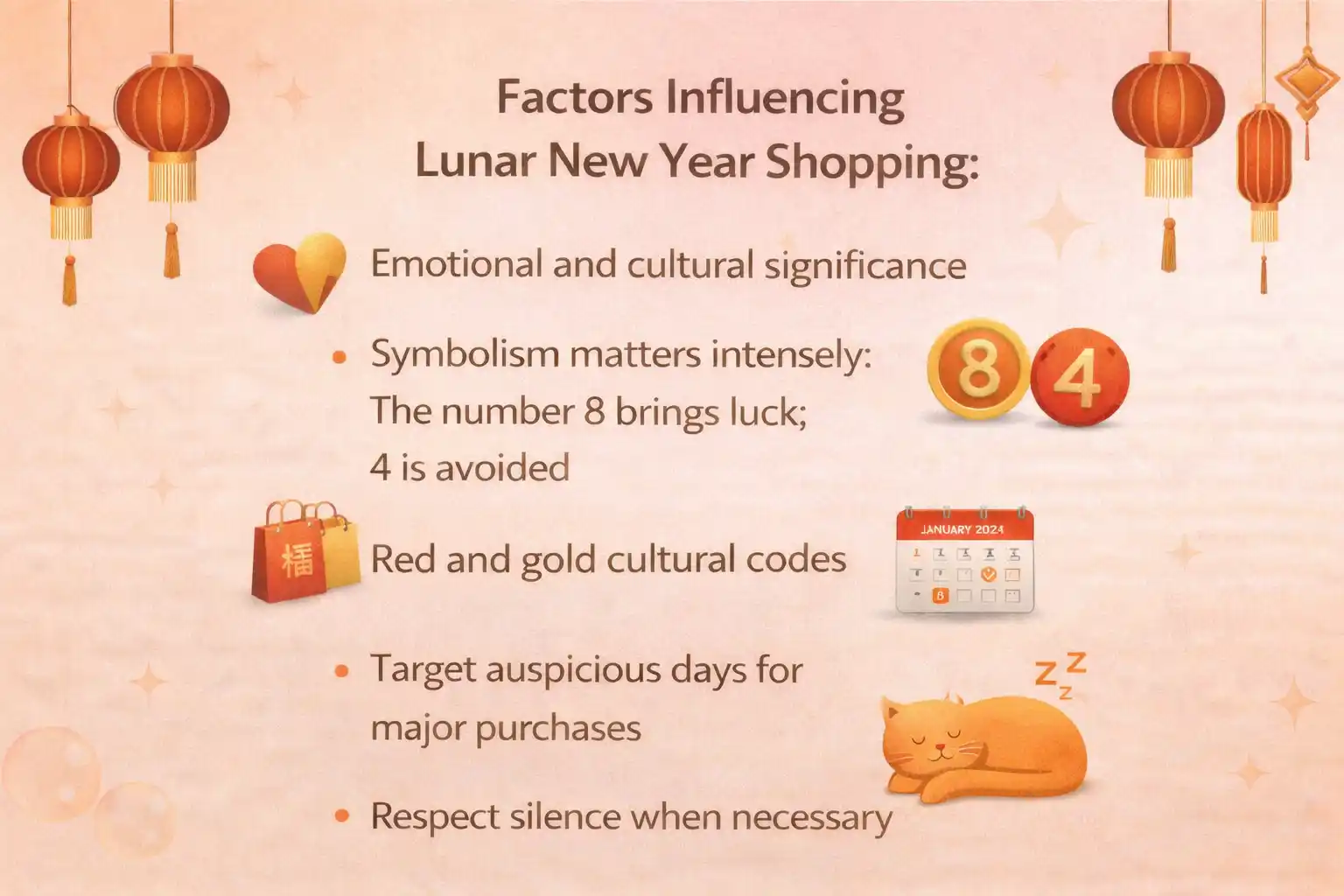
Lunar New Year carries deep emotional and cultural weight that transactional holidays don’t. Success requires understanding symbolism, respecting timing, and showing restraint—areas where intelligent, adaptive marketing systems excel over traditional blast-and-pray approaches.
I need you to understand something fundamental: Lunar New Year is not the Asian version of Black Friday.
Let me explain the difference. Black Friday is transactional—it’s about getting deals. Christmas in Western markets has commercial elements but maintains some cultural distance. Lunar New Year? It’s deeply personal, emotionally charged, and wrapped in thousands of years of cultural meaning.
Here’s what makes it unique:
Emotional and cultural significance:
- It represents family reunion, honoring ancestors, and fresh starts
- Purchasing decisions carry symbolic weight (colors, numbers, product categories)
- Getting it wrong doesn’t just lose you a sale—it damages trust
Symbolism matters intensely:
- The number 8 brings luck; 4 is avoided
- Red and gold aren’t just pretty colors—they’re cultural codes
- Certain products are inappropriate gifts (clocks, sharp objects, pears)
Timing isn’t just about conversion windows:
- There are auspicious days for major purchases
- There are quiet periods when families expect to be left alone
- Post-festival timing affects how receptive people are to re-engagement
The restraint paradox:
- More messages don’t equal more sales during Lunar New Year
- Over-promoting signals you don’t understand the culture
- The brands that respect silence often earn more loyalty
This is where agentic marketing becomes your secret weapon. Instead of batching and blasting messages based on a predetermined schedule, agentic systems understand that timing, relevance, and pacing matter infinitely more than volume.
Think of it this way: a good friend knows when to reach out and when to give you space during important family time. Agentic marketing lets your brand act like that good friend, not like the pushy salesperson who can’t read the room.
The Role of Agentic Marketing in Lunar New Year Campaigns
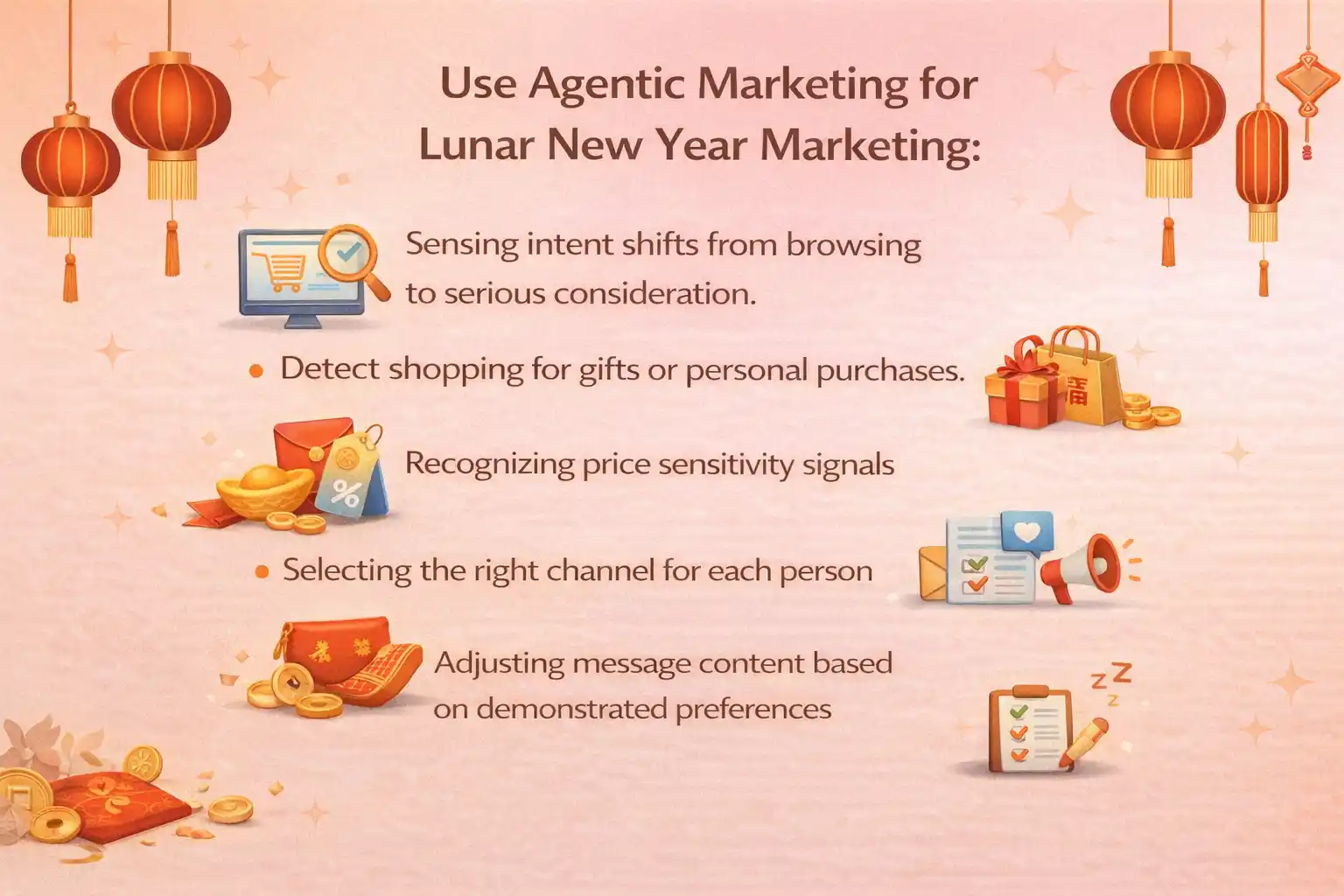
Agentic marketing uses intelligent systems to sense customer intent in real-time, decide when to engage (or stay silent), and personalize every touchpoint dynamically—solving the exact problems that make Lunar New Year campaigns fail.
Okay, let’s talk about why your traditional festive campaign playbook breaks during Lunar New Year.
You’ve probably built campaigns like this: segment your database into a few groups, schedule messages for specific dates, set up some basic rules (“if opened email, send follow-up”), and hope for the best. During a normal month? That might work fine.
During Lunar New Year? That approach falls apart spectacularly.
Here’s why rule-based campaigns fail:
- Real customer behavior is too complex for simple “if-then” rules
- Cultural moments require individual-level timing precision
- Intent signals change hourly during high-stakes shopping periods
- What works for one customer segment completely backfires for another
This is where agentic marketing changes everything.
Sensing intent shifts in real-time:
- Detecting when someone moves from browsing to serious consideration
- Understanding if they’re shopping for gifts or personal purchases
- Recognizing price sensitivity signals before you make an offer
Deciding when (and when not) to engage:
- Identifying the optimal moment to send that next message
- Knowing which customers want more information vs which want space
- Respecting cultural quiet periods at an individual level
Personalizing dynamically across everything:
- Adapting offers based on real-time inventory and demand
- Selecting the right channel for each person (app vs email vs WhatsApp)
- Adjusting message content based on demonstrated preferences
Think of agentic marketing as the execution layer that makes all your campaign ideas actually work in the real world. It’s the difference between having a brilliant strategy and being able to execute that strategy for thousands or millions of individual customers simultaneously.
Top 10 Chinese (Lunar) New Year Marketing Campaign Ideas for 2026
Here’s where theory meets practice. Each of these ideas solves a specific problem brands face during Lunar New Year, and each one works dramatically better with agentic marketing powering it.
1. Intent-Led Lunar New Year Gifting Campaigns
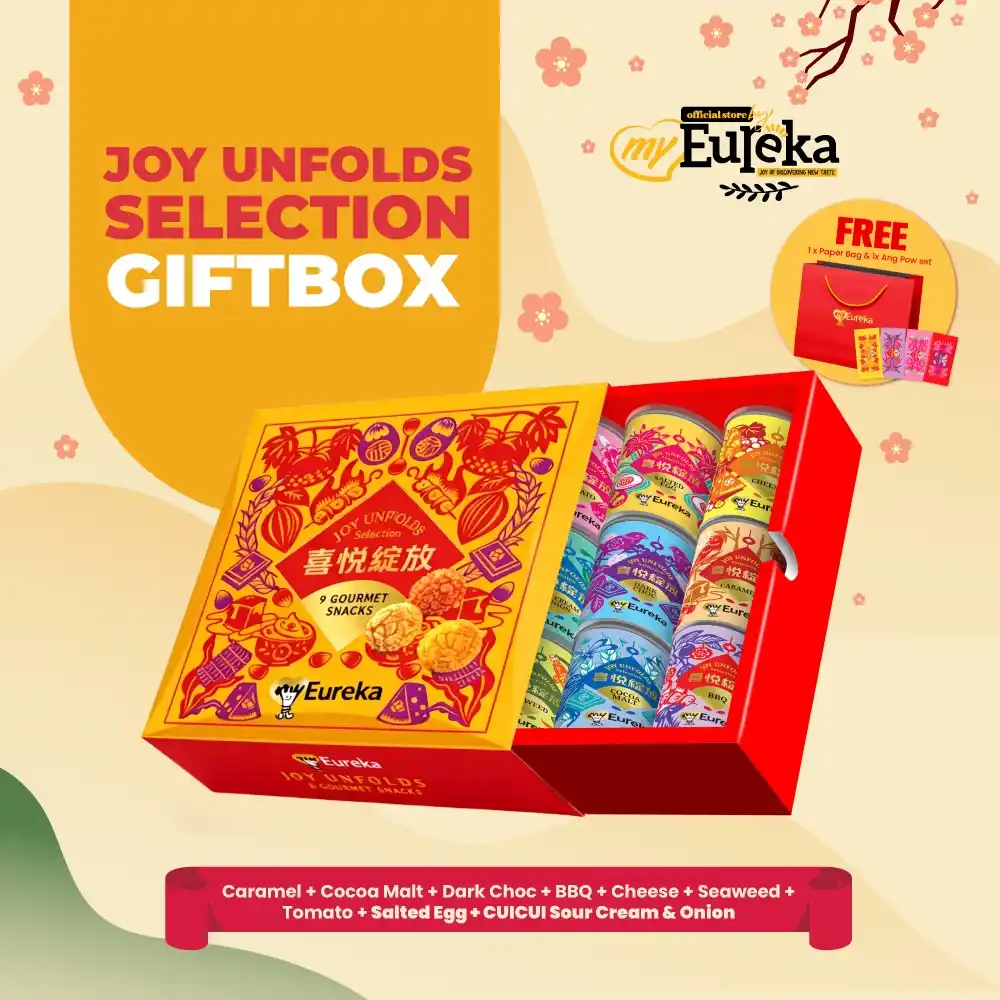
What it is: Instead of showing everyone the same “top gifts” list, personalize gift recommendations based on individual browsing patterns, past gifting behavior, and demonstrated price sensitivity.
Why it works: Gifting during the Lunar New Year is stressful. People appreciate brands that make it easier by showing them relevant options, not overwhelming them with choices.
How agentic marketing helps:
- Dynamically curates gift selections based on who the customer is buying for (signals from browse behavior)
- Adjusts recommendations as inventory changes
- Guides customers through the decision with contextually relevant content
- Knows when someone needs more options vs when they’re ready to decide
2. Prosperity Bundles That Adapt in Real Time
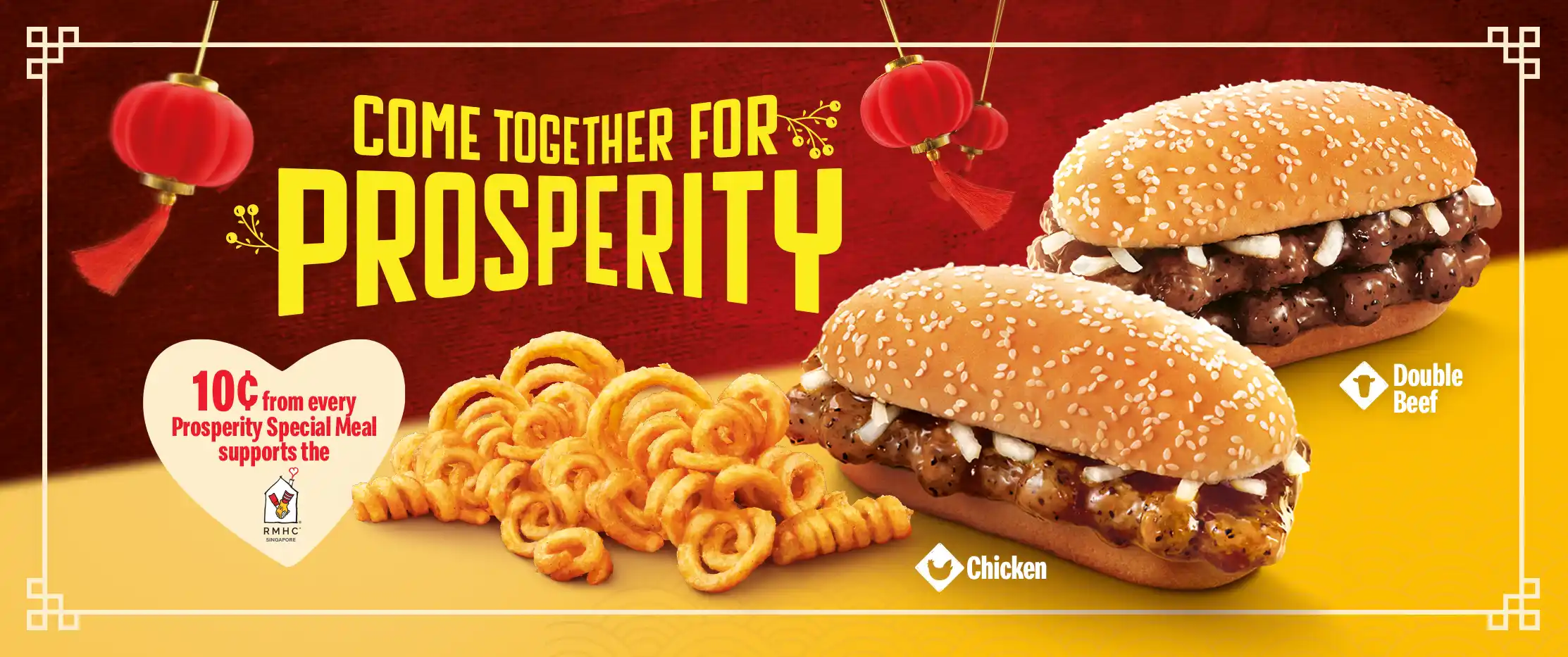
What it is: Create product bundles that change their composition and pricing based on current demand, inventory levels, and individual customer intent.
Why it works: Bundles tap into the Lunar New Year desire for abundance and good value, but static bundles leave money on the table or create margin problems.
How agentic marketing helps:
- Optimizes bundle composition for both conversion and margin
- Adjusts pricing dynamically based on inventory pressure
- Personalizes which bundle variations each customer sees
- Prevents showing out-of-stock bundles that damage trust
3. Auspicious Timing Campaigns (Not Blanket Blasts)
What it is: Send messages aligned with culturally significant days and times, but personalized to each individual’s demonstrated engagement patterns.
Why it works: Timing matters enormously during Lunar New Year, but “auspicious” varies by region, belief system, and individual schedule.
How agentic marketing helps:
- Individual-level send-time optimization within culturally appropriate windows
- Channel selection based on when each person is most responsive
- Respects quiet periods (like reunion dinner time) automatically
- Balances cultural timing with personal behavioral patterns
4. Red Packet (Hongbao) Campaigns With Smart Constraints
What it is: Move beyond flat discounts to conditional rewards that incentivize desired behaviors while protecting margin.
Why it works: Everyone expects red packet offers during Lunar New Year, but giving everyone the same discount is lazy and expensive.
How agentic marketing helps:
- Decides who gets incentives and who doesn’t (based on likelihood to convert without discount)
- Personalizes incentive amounts to minimum needed to drive action
- Creates scarcity and urgency at an individual level
- Prevents reward abuse while maintaining customer satisfaction
5. Pre-Lunar New Year Warm-Up Journeys
What it is: Start engaging customers weeks before the festival to build anticipation, capture early intent, and reduce last-minute noise.
Why it works: Early planners appreciate brands that help them get ahead. Starting early also means less competition for attention.
How agentic marketing helps:
- Detects planners vs procrastinators through behavioral signals
- Adjusts journey pacing based on demonstrated urgency
- Escalates or de-escalates engagement intensity appropriately
- Prevents early burnout for customers who engage across multiple weeks
6. In-Festival “Pause & Resume” Engagement Strategy
What it is: Strategically reduce or pause engagement during peak family time, then resume when customers are receptive again.
Why it works: Respecting family time builds goodwill. Not respecting it makes you look culturally clueless.
How agentic marketing helps:
- Provides attention protection during culturally sacred moments
- Personalizes pause duration based on individual engagement patterns
- Detects when each customer returns to active browsing
- Manages re-engagement pacing to avoid post-pause spam
7. Post-Lunar New Year Re-Engagement Campaigns
What it is: Capitalize on the return to routine and renewed spending intent after festival celebrations end.
Why it works: Many customers are ready to buy post-festival (using red packet money, treating themselves after hosting, replacing used-up items).
How agentic marketing helps:
- Detects return intent signals early
- Reactivates journeys based on pre-festival browsing history
- Adjusts messaging to post-festival mindsets
- Prioritizes high-intent customers for early re-engagement
8. Personalized Content Around New Year Resolutions
What it is: Connect your products and services to the renewal, prosperity, and progress themes of Lunar New Year.
Inaugurate the Lunar New Year with #Bulgari Serpenti Viper necklace—meticulously crafted masterpiece that capture the optimistic essence of the season. https://t.co/H7m69fck1B #Bulgari #Serpenti #ChineseNewYear #LunarNewYear pic.twitter.com/fIGhKEY2pU
— Bvlgari (@Bulgariofficial) January 26, 2024
Why it works: Lunar New Year is about fresh starts. People are receptive to products that support their aspirations.
How agentic marketing helps:
- Selects content based on individual motivation signals (health, wealth, relationships, career)
- Adjusts resolution framing based on demonstrated interests
- Times aspiration-focused messages for maximum receptivity
- Avoids resolution fatigue by varying message types
9. Omnichannel Lunar New Year Experiences
What it is: Create coordinated customer journeys across app, web, email, WhatsApp, push notifications, and other channels without causing fatigue.
Why it works: Your customers don’t think in channels—they think in “what’s most convenient right now.” Meeting them everywhere (without overwhelming them) wins.
How agentic marketing helps:
- Cross-channel orchestration that prevents duplicate messages
- Channel selection based on context and past response patterns
- Consistent experience with channel-appropriate content adaptations
- Fatigue management across all touchpoints simultaneously
10. Loyalty-First Lunar New Year Campaigns
What it is: Reward your existing, high-value customers without resorting to the same deep discounts you offer acquisition targets.
Why it works: Lunar New Year is when loyalty matters most. Your best customers expect recognition, not to be treated the same as bargain hunters.
How agentic marketing helps:
- Value-based differentiation by customer lifetime value
- Personalized recognition that feels genuine, not algorithmic
- Exclusive experiences and access instead of just discounts
- Prevents loyalty erosion from over-discounting
How Agentic Marketing Improves ROI in Lunar New Year Campaigns
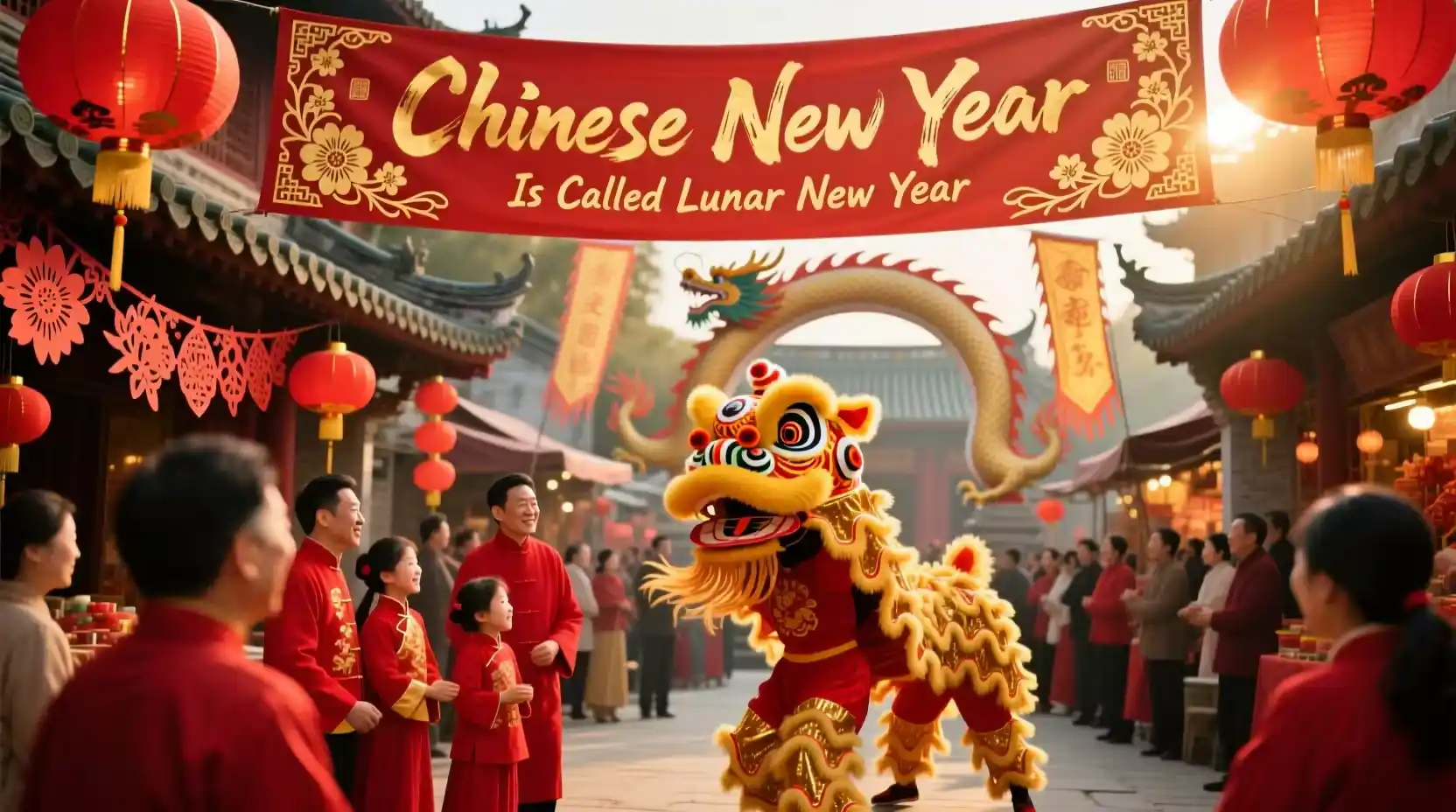
Agentic marketing delivers higher conversion without deeper discounts, makes better use of limited inventory and marketing budgets, reduces customer acquisition costs during peak competition, and improves post-festival retention—directly impacting your bottom line.
Let’s talk money. Because at the end of the day, your CFO doesn’t care about how culturally sensitive your campaign was; they care about ROI.
Here’s the beautiful part: agentic marketing improves your business metrics precisely because it gets the cultural and behavioral pieces right.
Higher conversion without deeper discounts:
- By engaging customers at the right moment with the right offer, you reduce the need to win on price alone
- Personalized incentives mean giving each customer the minimum discount needed to drive action
- Better targeting means your promotions reach people who were actually going to buy
Smarter use of incentives and inventory:
- Dynamic bundling optimizes for both conversion and margin simultaneously
- Real-time inventory awareness prevents promoting products you can’t fulfill
- Scarcity signals are truthful and personalized, driving urgency without manipulation
Reduced customer acquisition cost during peak competition:
- Precision targeting means less wasted spend on unlikely converters
- Better message relevance improves click-through and conversion rates
- Channel optimization reduces the cost per successful engagement
Improved post-festival retention and lifetime value:
- Respectful engagement during the festival builds long-term trust
- Personalized post-festival re-engagement starts the next purchase cycle right
- Loyalty-focused approaches during Lunar New Year set the tone for the entire year
I’ve seen brands achieve 30-40% improvement in conversion rates during Lunar New Year by switching from batch-and-blast to agentic approaches. That’s not because the technology is magic; it’s because it finally lets you execute campaigns the way they should have been executed all along.
The real question isn’t whether agentic marketing improves ROI. The question is: can you afford to keep running Lunar New Year campaigns the old way when your competitors are already adapting?
Lunar New Year 2026 is coming fast. The brands that will win aren’t the ones with the biggest budgets or the flashiest creative. They’re the ones that understand their customers as individuals, respect the cultural moment, and have the systems in place to execute personalized campaigns at scale.
That’s the opportunity. The only question is whether you’ll take it.
Final Take
Lunar New Year marketing in 2026 won’t be won by louder festive creatives or deeper discounts. It will be won by brands that are more timely, more relevant, and more respectful of how consumer intent shifts during the season.
The highest-performing campaigns are designed as a lifecycle—capturing gifting intent early, guiding discovery with personalization, pacing communication during family-first days, and re-engaging customers after the festival to convert seasonal buyers into repeat customers.
Agentic marketing is what makes this achievable at scale: continuously sensing behavior, deciding the next best action, and executing in real time. When Lunar New Year becomes a momentum engine, not a moment, brands unlock growth that lasts far beyond the festival window.